적요
Although genetically modified (GM) crops have never been cultivated commercially in Korea, it is necessary for a thorough assessment of the risks associated with their environmental release. We determined the frequency of pollen mediated gene flow from disease resistant GM rice (OsCK1) to non-GM rice (Nagdongbyeo) and weedy rice (R55). A total of 449,711 or 164,604 seeds were collected from non-GM and weedy rice, respectively which were planted around OsCK1. Resistance of the hybrids was determined by repeated spraying of herbicide and DNA analysis using specific primer to confirm hybrids. Though non-GM rice and weedy rice have similar flowering time, the hybrids were found only in non-GM rice and out-crossing ranged from 0.018% at 0.3 m to 0.013% at 0.6 m. All of hybrids were located within 0.6 m distance from the GM rice plot in southerly direction. The meteorological factors including temperature and relative humidity during flowering time were found to be the most important factors for determining rice out-crossing. It should be considered many factors like the local weather condition and flowering time to set up the safety management policy to prevent pollen mediated gene flow between GM and conventional crop.
서 언
제초제저항성 대두를 상업적으로 재배하기 시작한 1996년 이후 유전자변형(Genetically modified) 작물의 재배면적은 매년 증가하고 있으며, 2012년에는 총 28개국 1억 7,030만 헥타르의 면적에서 유전자변형 작물이 재배되었다(
James 2012). 제초제 또는 해충저항성을 갖도록 개발된 유전자변형 작물들 은 생산비 절감에 따른 경제적 효과뿐만 아니라 제초제나 살 충제 사용을 줄임으로써 농업생태계를 보호할 수 있다(
Owen 2000). 반면, 유전자변형 작물에 도입된 유전자가 일반 재배 식물이나 근연 야생종으로 이동될 경우 잡초화 및 야생종 멸 종에 따른 농업 생태계의 교란 우려도 있다(
Conner et al. 2003). 교잡에 의한 돌연변이는 새로운 개체와 군집을 형성하 는 동력원이며 버섯, 관상식물, 사료작물 등 대부분의 재배화 된 식물체는 근연 야생종과 자연스럽게 교잡이 가능한 화합 성이 있는 것으로 알려져 있다(
Slatkin 1987). 영국에서는 사 탕무, 당근, 사과 등 31종의 재배화된 식물 중 1/3 가량이 하 나 혹은 그 이상의 야생종과의 교잡이 가능하며(
Raybould & Gray 1993), 네덜란드는 연구된 42종의 식물 중 1/4 정도가 교잡 가능한 것으로 보고되었다(
Ellstrand et al. 1999). 교잡 은 다양한 요인에 의해 영향을 받는데 이를 위해서는 다음과 같은 조건이 필요하다. 첫째, 교잡을 위해서는 타가수분이 일 어나야 하며 해당 식물들은 동시에 개화되어야 한다. 둘째, 바 람, 곤충 등 매개체에 의한 화분 이동이 가능한 곳에 식물들 이 위치해야 하며, 셋째, 화분의 발아와 수정이 이루어질 수 있도록 그들간에는 교잡화합성이 존재하여야 한다. 일반적인 F1잡종 식물체는 임성이 높지 않고 불임일 가능성이 많지만 임성 있는 잡종 식물체의 빈번한 발생은 주변 식물체로의 유 전자 이입 가능성을 증가시킬 수 있다.
벼(
Oryza sativa)는 국내뿐만 아니라 전세계에 걸쳐 분포 하는 3대 곡류 중 하나이며 전세계 인구의 절반가량이 주식으 로 이용하고 있다(
OECD 1999).
O. sativa는 전 세계적으로 분포하는 반면
O. glaberrima는 중서부 아프리카에서 주로 재배된다. 벼는 대표적인 자가수정 작물로 대기 중에 노출된 화분은 생존시간이 짧아 개화와 수분이 동시에 이루어지고 오전 11시경에 개화가 최고조에 이른다. 벼의 자연교잡율은 일반적으로 1% 내외로 알려져 있으나 제초제저항성 벼로부 터 비 형질전환 벼로의 유전자 이동에 의한 교잡율은 0.05~ 0.53%로 보고되었다(
Messeguer et al. 2001). 근연 잡초성벼 로의 교잡율은 제초제저항성 벼(Nam29/TR18)로부터 0.001 ~0.046%로 보고되었으며(
Chen et al. 2004) 재배종과 유사 하거나 교잡율(0.01~1%)이 낮을 것으로 추정된다(
Lu & Snow 2005). 비록 교잡율이 1% 이내이고 화분 매개에 의한 교잡 가능 거리가 최대 30 m로 알려진 벼의 유전자 이동성은 환경에 미치는 영향이 크지 않을 것으로 알려져 있지만(
Gealy et al. 2003), 일반벼와 잡초성벼는 같은
O. sativa에 속해 있 어 다양한 교잡을 유전자 이동성이 가능하며(
Song et al. 2004), 공여체의 개화기간 연장 및 수여체와의 중복여부 등에 따라 ‘Nortai’ 품종은 52%까지의 교잡율이 보고된 바 있다 (
Langevin et al. 1990). 2009년 국내에서 수행된 비타민 A강 화벼의 유전자 이동성 평가에 의하면 유전자변형 벼에 가장 인접하게 심겨진 30 cm에서의 교잡율이 9%로 높게 보고된 바 있다(
Bae et al. 2013). 국외에서는 생명공학 기술을 통한 비타민 A강화벼(황금벼), 해충저항성, 꽃가루 알레르기 저항 성 등의 유전자변형 벼가 개발되었으며, 1998년과 2001년에 는 제초제저항성 유전자변형 벼(LLRICE 601)의 실험재배도 이루어졌지만 아직까지 유전자변형 벼의 상업재배는 이루어 지지 않고 있다. 최근 농업생명공학에 대한 집중적인 투자와 연구를 통해 국내에서도 많은 유전자변형 벼가 개발되었고 이를 상용화하기 위해서는 유전자변형 벼의 환경위해성 평가 가 반드시 이루어져야 한다.
본 연구에서는 벼에서 유래한 choline kinase 유전자(
OsCK1) 를 낙동벼에 과발현시킴으로써 도열병과 흰잎마름병에 저항 성을 가지는 병저항성 유전자변형 벼(
Lee et al. 2007)의 환 경위해성 세부 항목 중 유전자 이동성에 대한 평가를 수행하 였다. 본 연구를 통해 국내 개발 유전자변형 벼의 환경위해성 평가 자료를 생산하고, 유전자변형 벼의 안전관리 대책 마련 에 필요한 가이드라인 구축에 활용하고자 하였다.
재료 및 방법
공시재료
병저항성 유전자변형 벼(OsCK1)는 벼에서 유래한 choline kinase 유전자가 actin 프로모터와 pinII 터미네이터에 의해 발현되는 운반체(Fig.
1)로 형질전환되었고, 안정적으로 유전 자가 발현되는 개체를 선발하여 이용하였다. 선발마커로 glufosinate 제초제저항성 유전자(
bar)가 함께 도입되어 있어 유전자 이동에 따른 교잡개체 선발에 이용하고자 하였다. 병 저항성 유전자변형 벼의 이벤트 계통(LS28-30-32-20-2-B)과 선행 연구를 통해 개화기가 비 형질전환 벼(낙동벼)와 유사한 잡초성벼(R55)를 각각 사각화분(20×15×15 cm)에 파종하고 포장에 이앙하기 전까지 온실에서 재배하였다.
Fig. 1.Schematic representation of the inserted vector used for rice transformation. The arrows indicate primer (Table
1) sites and the direction of synthesis. RB: right border; MAR: matrix attachment region; P Act: rice actin promoter; OsCK1: choline kinase gene; T PinII: potato proteinase inhibitor II gene; P 35S: CaMV 35S promoter; PAT: phosphinothricin acetyltransferase gene; T nos:
A. tumefaciens nopaline synthase poly A; LB: left border.

기상측정
병저항성 유전자변형 벼의 유전자 이동성 평가는 경북대학 교 농업생명과학대학 부속실험실습장 내 LMO격리포장에서 수행하였다. 격리포장에 설치된 기상측정 장치를 이용하여 개 화기간 중 화분의 비산과 수분이 가장 활발한 오전 11를 전후 로 4시간 동안 온·습도, 풍속 및 풍향을 측정하였으며, 기상청 에서 실시하는 방식에 따라서 30분 단위로 조사하였다.
포장배치
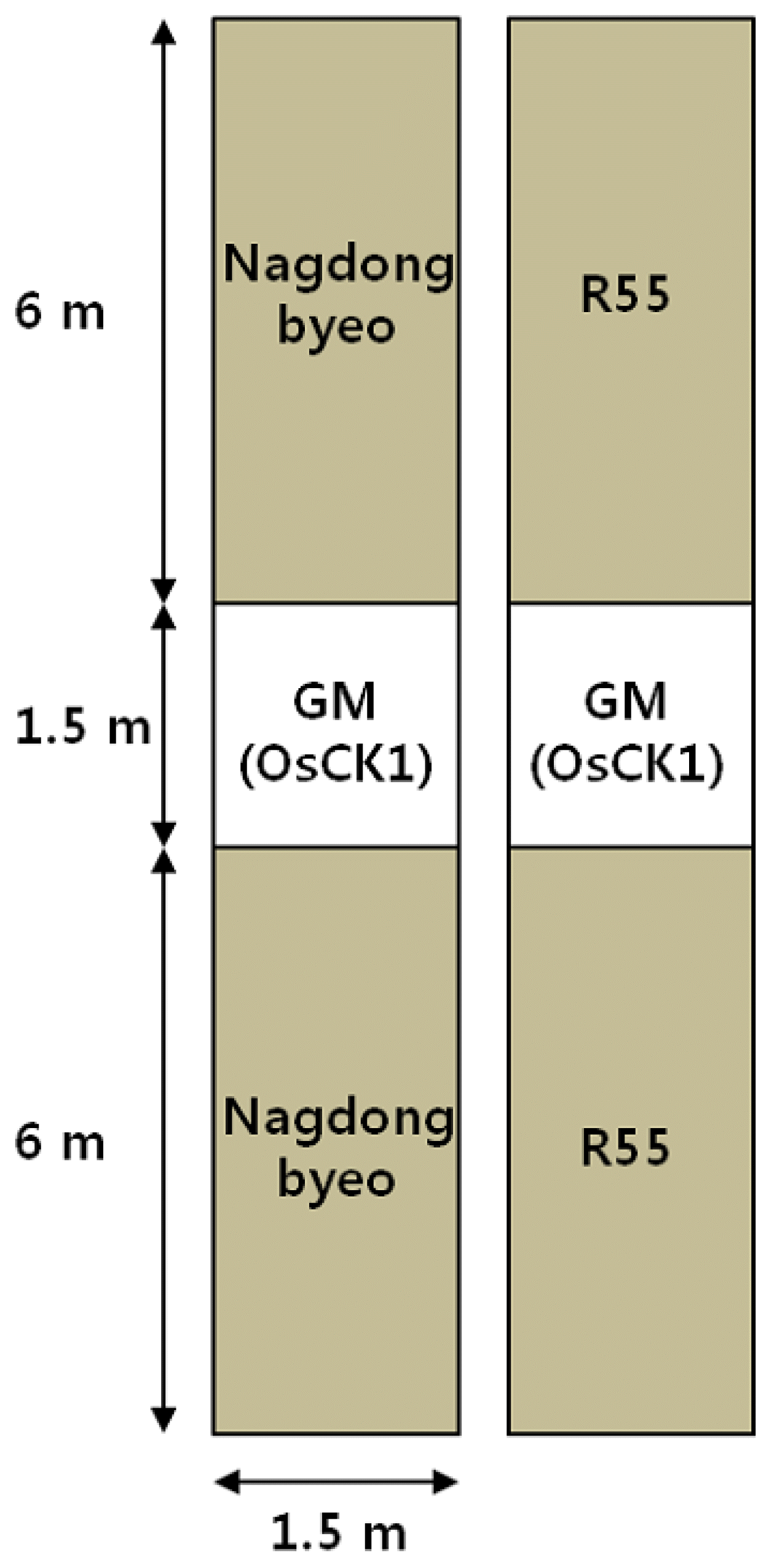
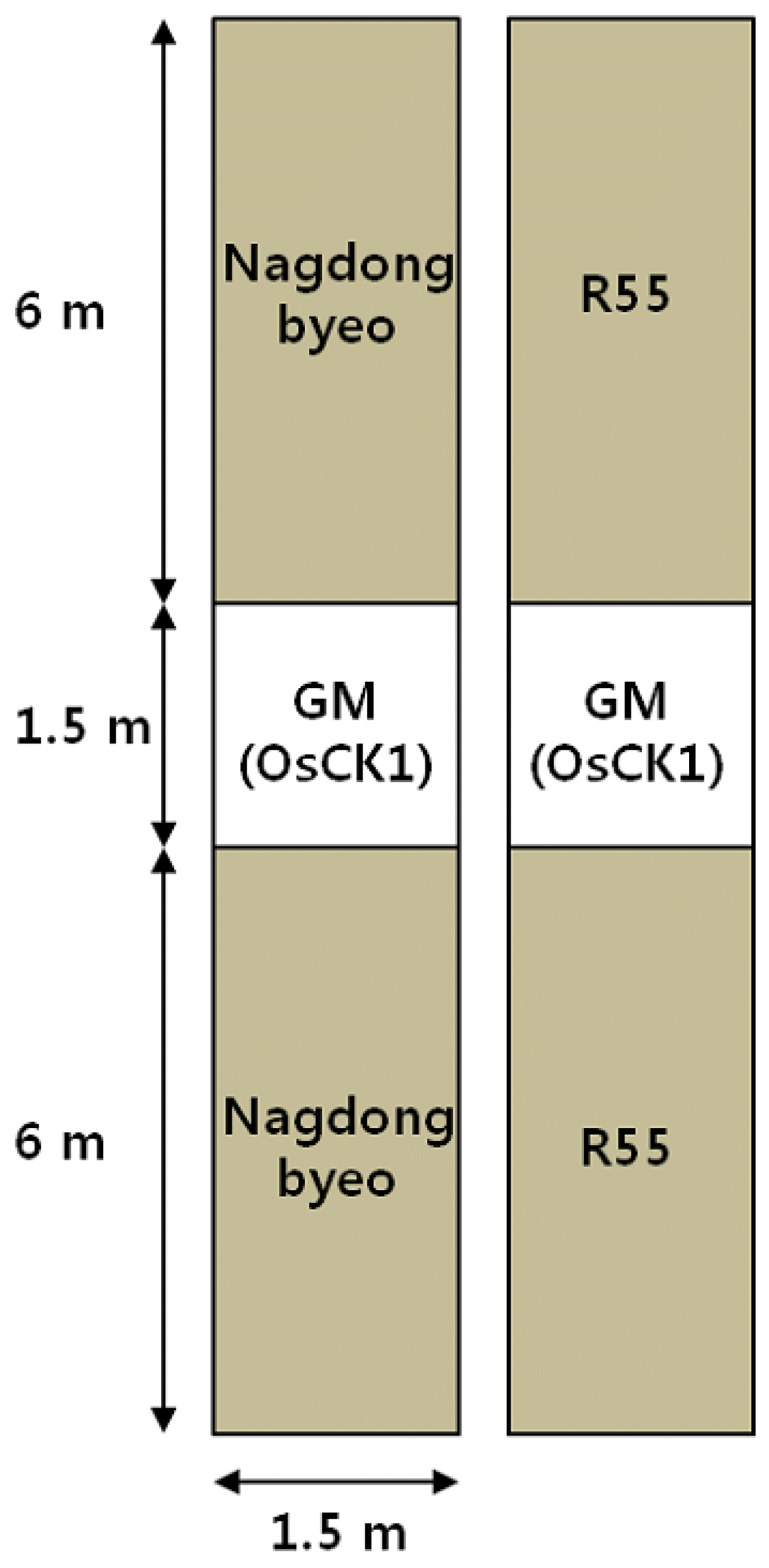
병저항성 유전자변형 벼의 유전자 이동성을 평가하기 위하 여 동, 서, 남, 북, 북동, 남동, 남서, 북서방향에서 유전자 이 동성을 측정할 수 있는 4개의 포장을 조성하였다 병저항성 유 전자변형 벼를 포장의 중심에 1.5×1.5 m 크기로 배치하고 병 저항성 유전자변형 벼의 위 아래 방향을 따라서 6 m까지 비 형질전환 벼와 잡초성벼를 병저항성 유전자변형 벼와 동일한 간격(15×30 cm)으로 정식하였다(Fig.
2).
Fig. 2.An experimental design for the field trial. The GM rice (OsCK1) was planted in white rectangles. Both non-GM (Nagdongbyeo) and weedy rice (R55) were planted following by 8 different directions.
종자수확
병저항성 유전자변형 벼와 낙동벼의 개화 진행상황은 8월 6일부터 약 3주간 조사하였고, 비 형질전환 벼와 잡초성벼 종 자를 병저항성 벼가 심겨진 마지막 위치를 기준으로 8방향 및 거리(30, 60, 90, 120, 240, 360, 480, 600 cm)에 따라 각각 수확하였다. 격리포장 내 건조장에서 충분히 건조된 종자수를 계수하고 추후 분석할 때까지 4°C 저온실에 보관하였다.
교잡검정
방향 및 거리별로 비 형질전환 벼와 잡초성벼로부터 수확 한 종자는 혼입을 막기 위해 각각 육묘상자(45×45×5 cm)에 고르게 깔고 적절한 수분을 공급하면서 온실에서 발아시켰다. 3엽기에 0.3% 제초제(glufosinate ammonium, 바스타)를 살 포하고 일주일 후에 2차 살포하여 제초제저항성을 육안으로 확인하고 저항성 개체를 선발하였다. 제초제저항성 개체는 분 자생물학적 분석을 위한 샘플 채취를 위해 온실에서 재배하 였다.
도입유전자의 단백질 발현
교잡개체의 제초제저항성 단백질(PAT) 발현을 확인하기 위하여 immuno-strip 검정을 실시하였다. 제초제저항성 개체 와 대조구 식물체로부터 유래한 조직으로부터 단백질을 추출 한 후, Trait LL Test Strip (SDI)를 이용하여 PAT 단백질의 발현 여부를 검정하였다. Immunostrip 검정을 통해 검증된 제초제저항성 개체를 계수하여 병저항성 유전자변형 벼로부 터의 유전자 이동성을 예측하였다.
벼 DNA 분리 및 PCR 검정
제초제저항성 교잡개체로부터 조직시료를 각 1 g씩 취하 여, 막자 사발에서 액체질소와 함께 분말화한 후 DNeasy Plant kit (Qiagen)를 이용하여 genomic DNA를 분리하였다. 자외선-가시광선 분광광도계를 이용하여 260/280 nm 값이 1.8~2.0 사이인 DNA 추출액을 실험에 이용하였다. PCR 검 정을 위하여 dNTP (10 mM) 4 μl, 10´ PCR buffer 4 μl, 프라이머(Table
1) 각 20 μM, f-Taq DNA polymerase 1 unit (Solgent), 주형 DNA 100 ng를 첨가하여 최종 반응 부 피를 40 μl로 하였다. PTC-100 Thermal cycler (MJ Research)를 이용하여 1 cycle (95°C, 5분), 30 cycle[95°C (30초), 55°C (30초), 72°C (30초), 1 cycle (72°C, 10분)에 따라 순차적으로 반응시켰다. 증폭된 PCR산물은 1% agarose gel에서 전기영동하고 UV조사로 확인하였다.
Table 1Primers list used for disease resistant rice gene flow evaluation
Table 1
|
Target |
Probe |
Sequences |
Size (bp) |
|
|
PAT |
B1 |
5'-TCAAATCTCGGTGACGGG-3' |
466 |
|
B2 |
5'-CGAGACAAGCACGGTCAAC-3' |
|
OsCK1 |
C1 |
5'-AGTCCCCTAATGGTGCCCTAACCAA-3' |
625 |
|
C2 |
5'-TTAATGTGTATTGTGTGTTGAAAC-3' |
|
Rice genome |
G1 |
5'-GGACTGGTCTGCAATCCACC-3' |
1,565 |
|
G2 |
5'-TCGATCGCCCTTTTAGGTCC-3' |
|
RB region |
R1 |
5'-CCCCCTCACTTCGTTTACCA-3' |
445 |
|
R2 |
5'-GAACCAAAGGCATTGGCACAG-3' |
결과 및 고찰
개화기간 중 기상환경
화분 매개에 의한 유전자 이동성은 식물체간의 개화기간, 유전적 교잡친화성, 화분하(pollen load), 화기형태 및 환경 요인에 의해 영향을 받는다(
Shivrain et al. 2009). 병저항성 유전자변형 벼의 유전자 이동성에 관여하는 기상환경을 조사 하기 위하여 격리포장 내 설치된 기상장치를 사용하여 개화 기간 중 온도, 상대습도, 풍향 및 풍속을 30분 간격으로 측정 하였다. 잡초성 벼(R55)는 8월 6일부터 개화가 시작되었고, 병저항성 유전자변형 벼(
OsCK1)와 비 형질전환 벼(낙동벼) 의 개화는 3일 후인 8월 9일부터 시작되었다. 인접한 식물과 원활한 교잡을 위해서는 개화기 중복 여부가 중요한 요인이 며(
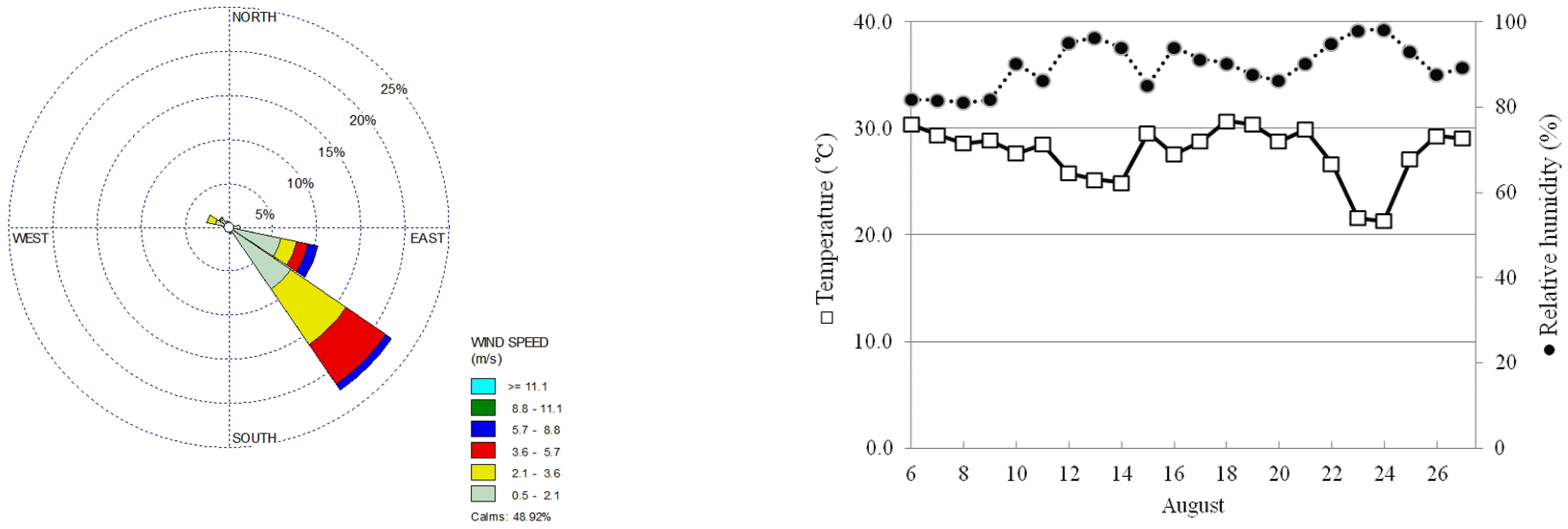
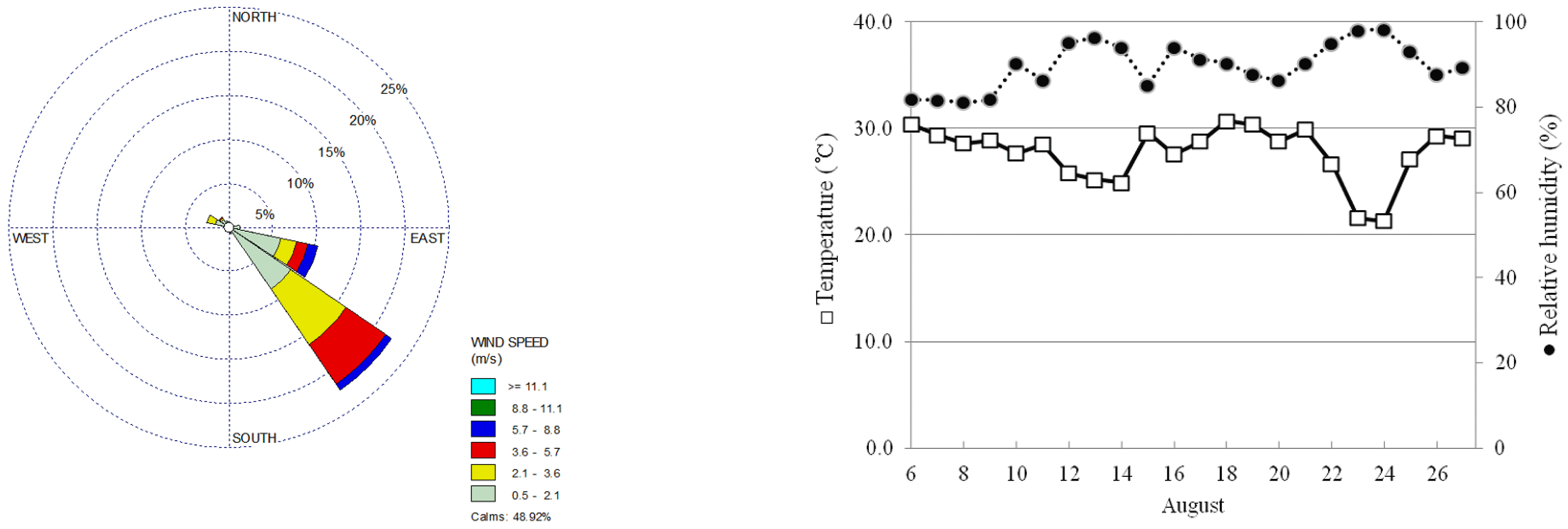
Shivrain et al. 2009), 본 실험에서는 공시재료간의 개화 기간이 거의 중복되었기에 개화기가 유전자 이동성 평가에 미치는 영향은 거의 없는 것으로 예상되었다. 측정된 기상자 료에 의하면 개화기간 중 화분의 비산 및 수분이 가장 활발한 오전에는 바람이 불지 않는 고요한 상태가 49%를 차지하였 으며 풍속 0.5-2.0 m/s의 약풍은 21.3%, 풍속 5.7 m/s 이상의 강풍은 2%이었으며 풍향은 주로 남동풍이 불었다(Fig.
3). 이 는 앞서 보고된 격리포장의 기상자료와도 일치하였으며(
Bae et al. 2013), 근처 지형지물의 변화가 없는 한 이 지역의 개 화기간 중 풍향과 풍속은 일정할 것으로 예상됨에 따라 추후 격리포장의 안전관리 대책 마련에 필요한 기초자료로 쓰일 수 있을 것으로 예상되었다. 두 차례 많은 비가 내렸던 시기 를 제외하고는 온도(28~30°C)와 습도(80% 이상)가 예년과 유사한 전형적인 여름철 날씨를 나타냈으나, 개화성기(8월 12 일)를 전후하여 내린 많은 비로 저온다습한 환경이 유전자 이 동성에 영향을 미칠 것으로 예상되었다.
Fig. 3.Variation of meteorological data during flowering. Windrose plot fro wind speed and direction (A) and average temperature and relative humidity (B).
병저항성 벼의 유전자 이동성
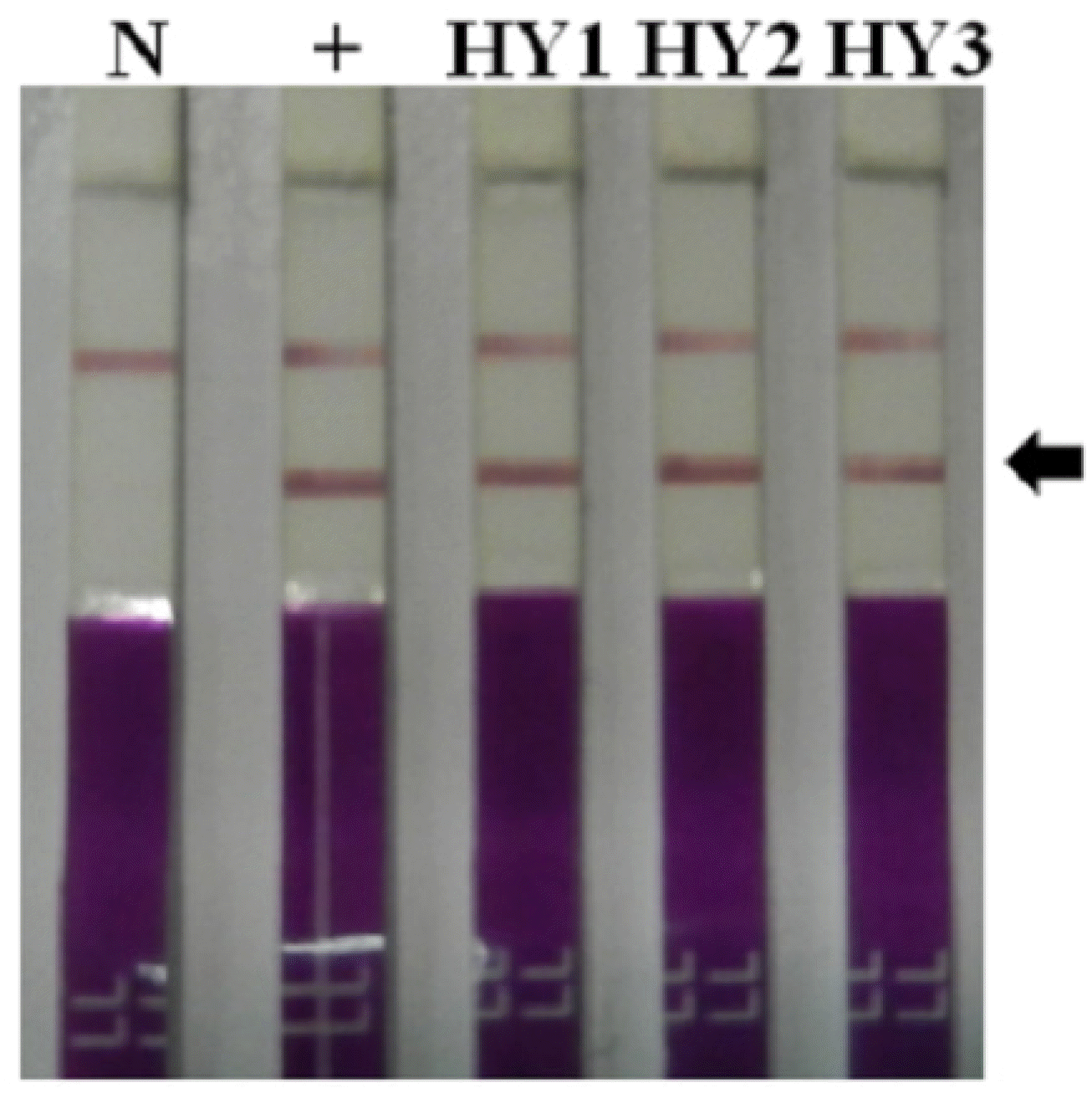
8방향 8단계 거리별로 조성된 포장에서 재배된 비 형질전 환 벼와 잡초성벼로부터 각각 449,711립, 164,604립의 종자 를 수확하였으며, 종자들을 육묘상자에 개별적으로 파종하여 온실에서 발아시켰다. 비 형질전환 벼에서 유래한 종자의 발 아율은 96.2%이었으며 잡초성벼의 발아율은 그보다 다소 낮 은 91.6%이었으나 국립종자원의 벼 종자 발아율 검사 합격 기준(85% 이상)을 상회하여 재배관리에 의한 종자 문제는 없 는 것으로 추정되었다. 제초제저항성을 판별하기 위하여 발아 된 유묘를 3엽기까지 생육시키고 0.3% 제초제(바스타)를 7일 간격으로 2회 살포하여 저항성 여부를 육안으로 판단하였다. 제초제저항성으로 확인된 교잡개체와 비 형질전환 벼로부터 단백질을 추출하고 제초제저항성 단백질(PAT) 발현 여부를 검정하였다(Fig.
4). 최종적으로 비 형질전환 벼로부터 제초 제저항성을 보이는 3개의 교잡개체(0.0007%)를 확인하였다 (Table
2). 비 형질전환 벼와 동일하게 잡초성벼에서 유래한 유묘에 제초제를 처리하였으나 제초제저항성을 가진 개체는 발견되지 않았다(Table
3). 제초제저항성을 나타내는 교잡개 체는 병저항성 유전자변형 벼에 근접하게 심겨진 동쪽방향 (30 cm)에서 1개, 남쪽방향(30 cm, 60 cm)에서 각각 1개씩 발견되었다. 동일한 격리포장에서 연구된 비타민A 강화벼 (
Bae et al. 2013)의 교잡율은 북서쪽 30 cm에서 9.12%로 높 게 나타난 것과는 달리 병저항성 유전자변형 벼의 유전자 이 동성 빈도는 높지 않았다. 화분 매개에 의한 벼 유전자 이동 성에 미치는 환경 요인 중에서 10:00~13:00 사이의 온도와 상대습도는 화분과 화기 상태에 영향을 끼쳐 교잡율의 변동 을 초래할 수 있는데(
Shivrain et al. 2009), 병저항성 유전자 변형 벼 개화성기의 잦은 강우가 주변 벼로의 화분 이동을 제 한시킴으로써 유전자 이동성이 상대적으로 감소된 원인으로 추정되었다. 국내에 광범위하게 분포하고 재배농가에 따라 0.6~23%까지 존재하는 것으로 알려진 잡초성벼는 직파재배 를 할 경우 수확량의 22.1%까지 손실을 일으켜 전국적으로 매년 5~10%의 수확량 감소가 잡초성벼에 의해 초래된다 (
Chen et al. 2004). 이러한 잡초성벼에 제초제 또는 기타 도 입된 유전자가 이동되어 확산될 경우 슈퍼잡초 발생 및 재배 종의 유전자 오염 등 농업생태계에 좋지 않은 영향을 미칠 수 도 있으나 본 실험에 사용된 병저항성 유전자변형 벼는 기존 에 보고된 다른 유전자변형 벼에 비해 유전자 이동에 의한 교 잡율이 높지 않고, 특히 잡초성벼에서는 제초제저항성 교잡개 체가 나타나지 않았기 때문에 유전자 이동성에 의한 농업생 태계의 위험은 크지 않을 것으로 추정된다. 그러나 재배지역 의 기상 환경과 벼 품종 및 장기간 재배연차에 따라 유전자 이동성은 달라질 수 있으므로 유전자 이동성에 대한 평가는 과학적인 분석을 통한 체계적인 접근이 요구되며, 유전자 이 동성의 일반화를 위한 모델링 기술 개발과 유전자 이동성의 사전 예측과 관련된 연구가 수행될 필요가 있다.
Fig. 4.Confirmation of PAT protein expression for hybrid rice by using immunostrip. N: non-GM rice (Nagdongbyeo), +: disease resistant rice (OsCK1), HY~HY3: Nagdongbyeo × OsCK1 hybrids.
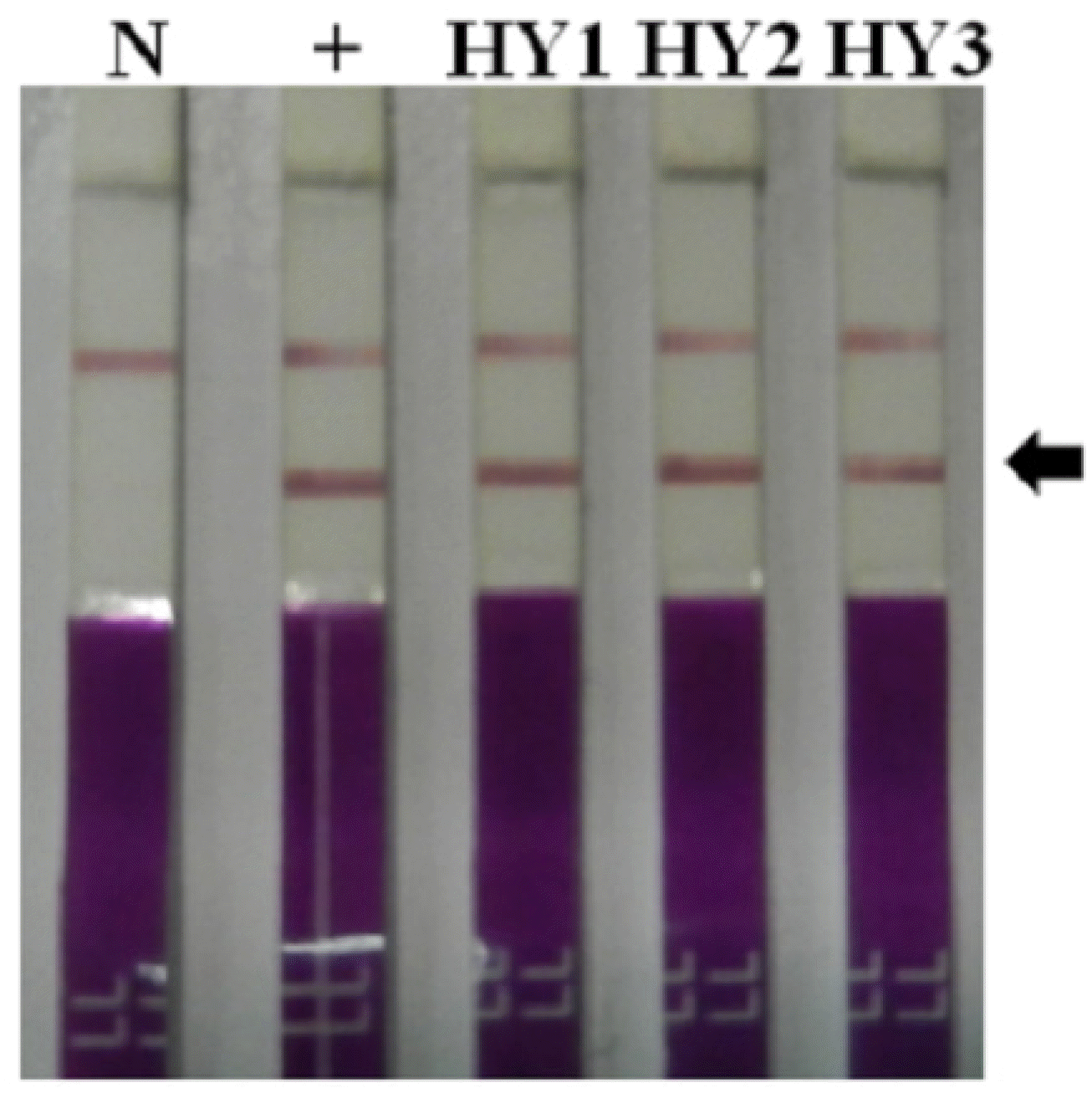
Table 2Out-crossing rate (%) of non-GM rice at different distance and direction from GM pollen donor
Table 2
|
Distance (cm) |
East |
West |
South |
North |
Northeast |
Southeast |
Southwest |
Northwest |
|
|
30 |
0.015 (1/6,772)z
|
0 (0/7,220) |
0.018(1/5,561) |
0 (0/6,876) |
0 (0/7,796) |
0 (0/6,342) |
0 (0/6,055) |
0 (0/4,657) |
|
60 |
0 (0/7,475) |
0 (0/7,859) |
0.013(1/7,445) |
0 (0/7,776) |
0 (0/7,950) |
0 (0/7,298) |
0 (0/5,733) |
0 (0/5,405) |
|
90 |
0 (0/9,630) |
0 (0/8,506) |
0 (0/6,515) |
0 (0/7,313) |
0 (0/8,009) |
0 (0/6,578) |
0 (0/6,267) |
0 (0/5,356) |
|
120 |
0 (0/7,065) |
0 (0/7,274) |
0 (0/6,222) |
0 (0/6,979) |
0 (0/8,429) |
0 (0/7,240) |
0 (0/6,635) |
0 (0/4,077) |
|
240 |
0 (0/8,177) |
0 (0/8,210) |
0 (0/7,300) |
0 (0/8,209) |
0 (0/6,853) |
0 (0/6,384) |
0 (0/6,543) |
0 (0/5,956) |
|
360 |
0 (0/5,895) |
0 (0/6,908) |
0 (0/7,149) |
0 (0/8,462) |
0 (0/6,399) |
0 (0/6,711) |
0 (0/6,524) |
0 (0/6,782) |
|
480 |
0 (0/6,819) |
0 (0/6,687) |
0 (0/6,471) |
0 (0/9,199) |
0 (0/5,815) |
0 (0/6,640) |
0 (0/6,512) |
0 (0/5,583) |
|
600 |
0 (0/8,699) |
0 (0/6,925) |
0 (0/7,891) |
0 (0/9,482) |
0 (0/6,886) |
0 (0/8,672) |
0 (0/6,648) |
0 (0/8,004) |
Table 3Out-crossing rate (%) of weedy rice at different distance and direction from GM pollen donor
Table 3
|
Distance (cm) |
East |
West |
South |
North |
Northeast |
Southeast |
Southwest |
Northwest |
|
|
30 |
0 (0/2,131)z
|
0 (0/1,866) |
0 (0/2,415) |
0 (0/2,105) |
0 (0/1,567) |
0 (0/2,937) |
0 (0/1,568) |
0 (0/2,452) |
|
60 |
0 (0/1,770) |
0 (0/3,029) |
0 (0/3,388) |
0 (0/2,276) |
0 (0/1,948) |
0 (0/2,358) |
0 (0/1,644) |
0 (0/2,714) |
|
90 |
0 (0/1,624) |
0 (0/2,896) |
0 (0/3,453) |
0 (0/2,319) |
0 (0/2,405) |
0 (0/1,985) |
0 (0/1,664) |
0 (0/3,701) |
|
120 |
0 (0/2,010) |
0 (0/3,352) |
0 (0/2,904) |
0 (0/1,753) |
0 (0/3,102) |
0 (0/2,411) |
0 (0/1,466) |
0 (0/3,877) |
|
240 |
0 (0/1,267) |
0 (0/2,777) |
0 (0/3,288) |
0 (0/1,098) |
0 (0/2,735) |
0 (0/1,894) |
0 (0/1,972) |
0 (0/3,013) |
|
360 |
0 (0/2,186) |
0 (0/4,115) |
0 (0/3,073) |
0 (0/2,093) |
0 (0/1,999) |
0 (0/3,420) |
0 (0/2,859) |
0 (0/3,360) |
|
480 |
0 (0/2,085) |
0 (0/4,004) |
0 (0/3,236) |
0 (0/2,287) |
0 (0/2,708) |
0 (0/2,835) |
0 (0/2,549) |
0 (0/2,026) |
|
600 |
0 (0/2,176) |
0 (0/3,735) |
0 (0/986) |
0 (0/2,065) |
0 (0/5,697) |
0 (0/2,846) |
0 (0/4,807) |
0 (0/2,326) |
교잡개체의 PCR 검정
제초제 살포를 통해 저항성을 보이는 교잡개체에 대한 분 자생물학적 검정을 위해 공시재료들로부터 DNA를 추출하고 PCR 분석을 하였다. 추출된 DNA를 주형으로 병저항성 벼에 도입된 목적유전자(
OsCK1)와 제초제저항성 유전자(
bar)에 특이적인 프라이머를 사용하여 밴드의 증폭을 확인하였다 (Fig.
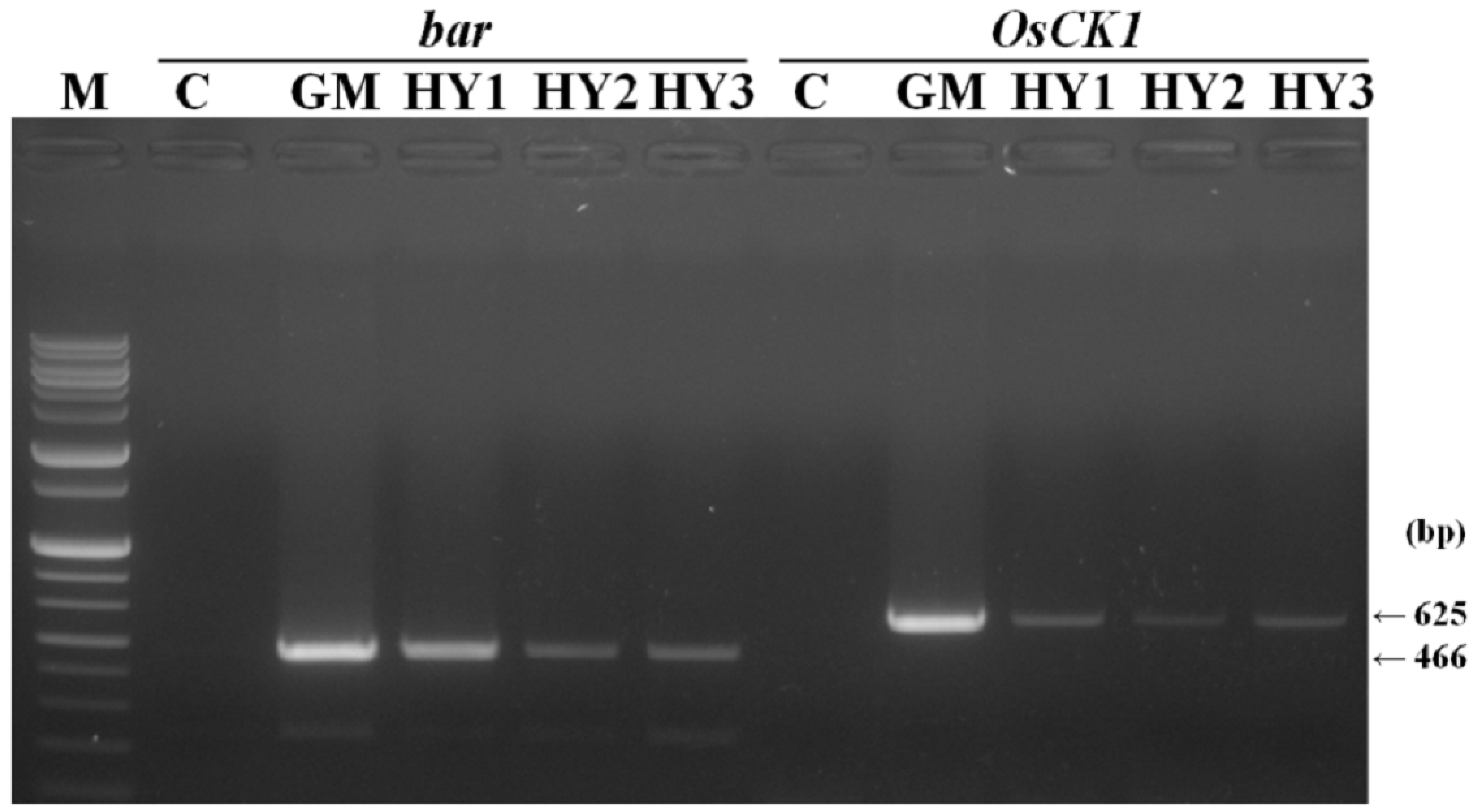
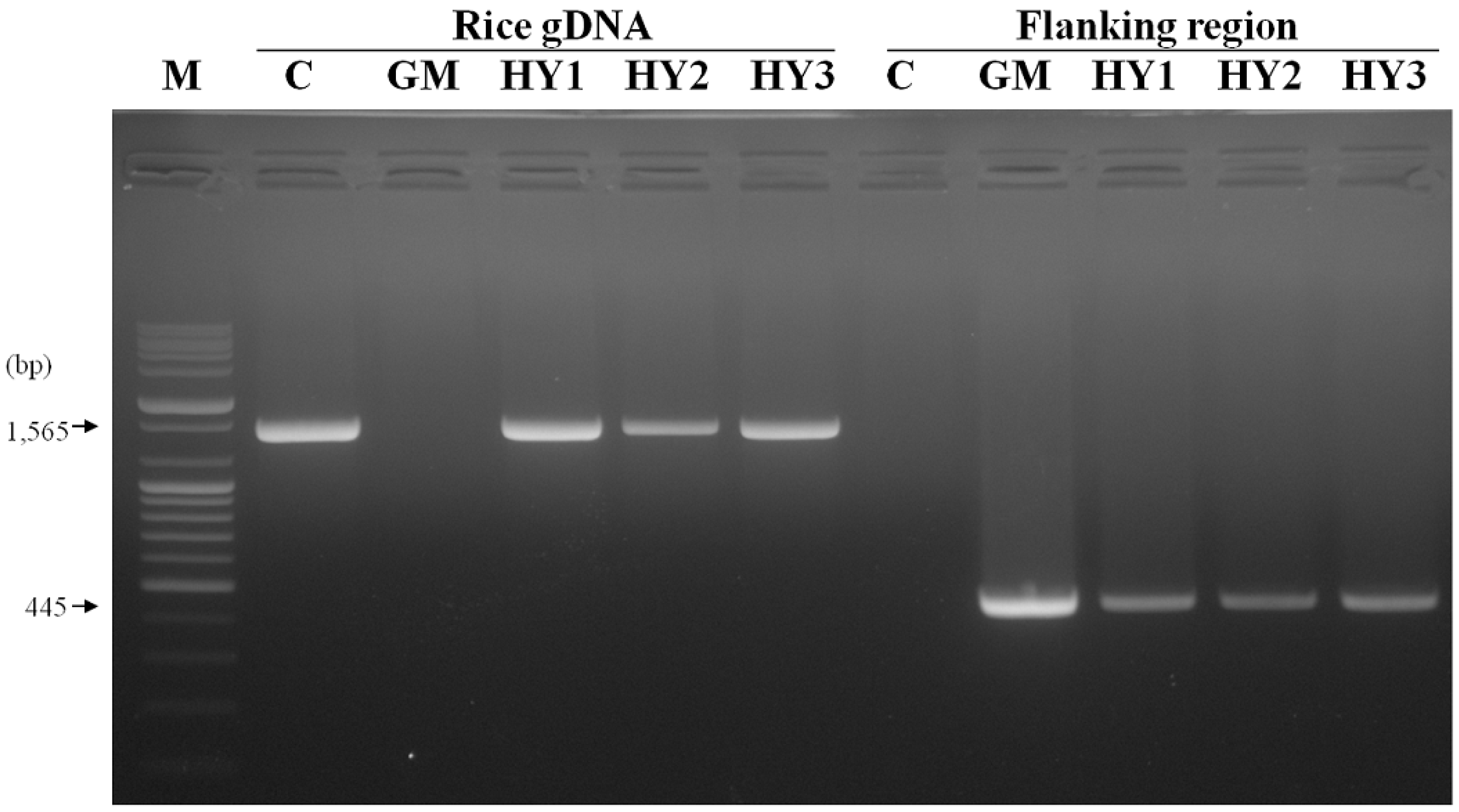
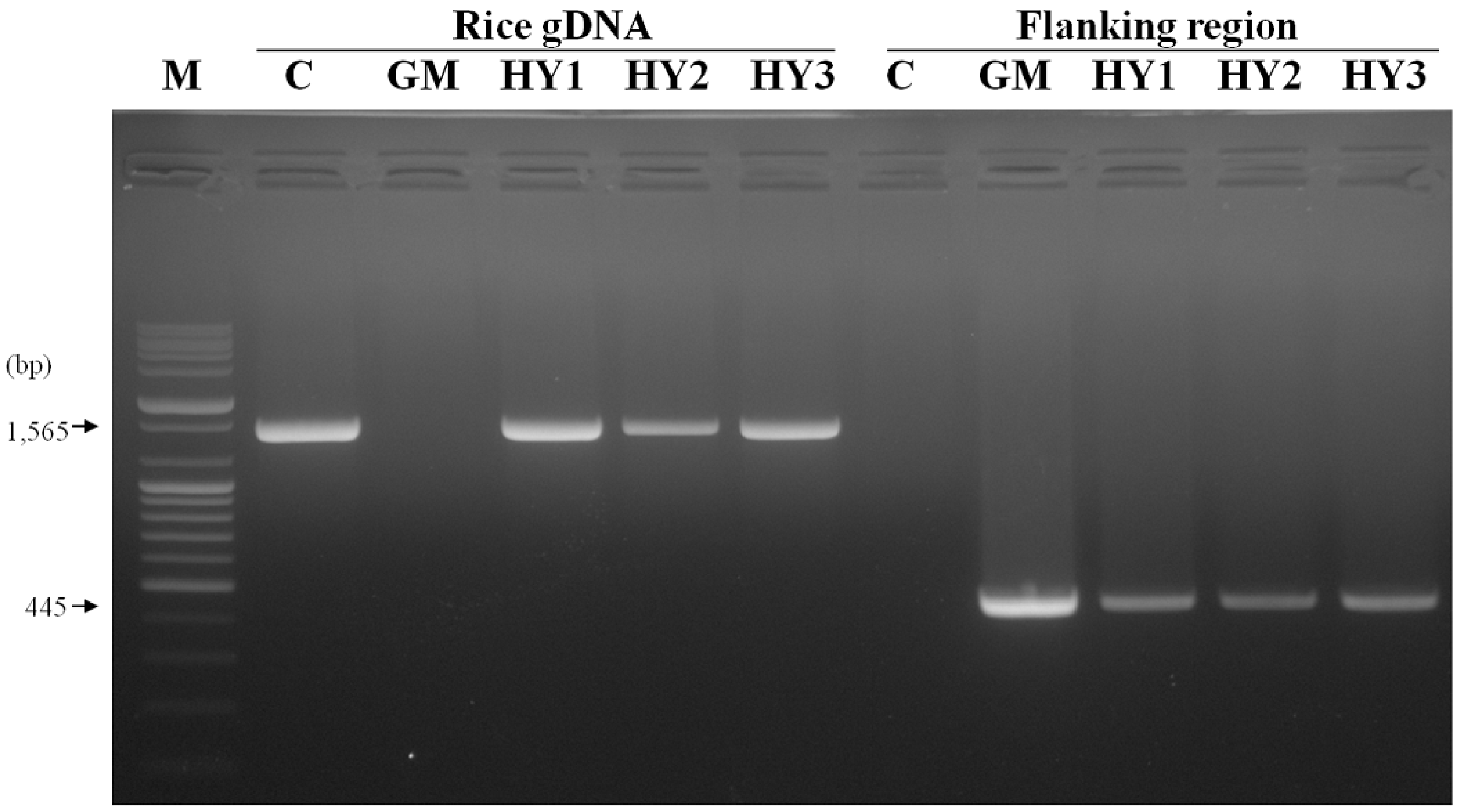
5). 비 형질전환 벼는 유전자가 도입되지 않았기 때문에 어떠한 밴드도 증폭되지 않았으며, 병저항성 유전자변형 벼와 교잡개체에서는 예상과 일치하는 제초제저항성 유전자와 목 적유전자가 증폭되어 교잡개체가 병저항성 유전자변형 벼로 부터 유래된 것임을 확정하였다. 또한 고정된 병저항성 유전 자변형 벼와는 달리 교잡개체는 모계(비 형질전환벼)와 부계 (병저항성 벼)로부터 유래한 한 쌍의 게놈을 물려받았기 때문 에 병저항성 유전자변형 벼와 교잡개체를 동일한 PCR조건에 서 증폭할 경우 밴드의 밀도 차이가 나타날 것으로 예상하였 으며, 이는 육안으로도 충분히 구별 가능하였다. 병저항성 유 전자변형 벼에 도입된 유전자의 염기서열 정보를 기준으로 비 형질전환 벼의 내재유전자 일부를 증폭할 수 있는 프라이 머를 사용하여 PCR로 증폭하였다(Fig.
6). 비 형질전환 벼와 교잡개체에서 예상했던 크기의 내재유전자 증폭을 확인하였 으나, 병저항성 유전자변형 벼에서는 예상했던 밴드가 증폭되 지 않았다. 도입유전자의 염기서열 분석 결과에 따르면 병저 항성 유전자변형 벼에는 예상과 달리 8.2 kb의 도입유전자가 2 카피로 삽입되어 있어 PCR로는 증폭하기 어려운 크기로 인해 도입유전자 검출이 불가능한 것으로 추정하였다. 반면, 도입유전자와 인접한 염기서열을 증폭하는 프라이머로는 병 저항성 유전자변형 벼와 교잡개체에서 예상했던 크기의 밴드 가 증폭되었다. 앞서 목적유전자 및 제초제저항성 유전자의 PCR 분석과 같이 교잡개체는 한 쌍의 게놈중에서 한쪽에만 병저항성 벼에서 유래하였기 때문에 증폭된 밴드의 밀도가 낮은 것을 확인할 수 있었다. 유전자변형 작물은 경제적 이익 뿐만 아니라 식량위기 해결과 농약 사용량 절감에 따른 환경 보호 등의 효과에도 불구하고 안전성 때문에 여전히 논란이 다(
Conner et al. 2003). 유전자변형 작물의 생산, 이용 등에 반대하는 사람들은 인간과 환경에 미치는 연구가 충분히 검 증되지 않았다고 우려한다. 국내에서는 아직까지 유전자변형 벼를 포함한 어떠한 유전자변형 작물도 재배되고 있지 않다. 유전자 이동성이 슈퍼잡초 발생, 야생종 멸종 및 유전자 오염 등의 문제를 야기할 수도 있으나 아직까지 유전자변형 작물 재배에 의한 부작용이나 문제점이 사실로 받아들여진 것은 없다. 다만 유전자 이동성이 높지 않더라도 주위 환경에 충분 히 영향을 받을 수 있고, 유전자변형 벼의 재배에 의한 유전 자 이동성을 최소화하는 안전관리 대책은 반드시 필요하다. 이는 재배 지역의 기상자료와 유전자변형 벼의 형태적, 생리 적 특성을 융합한 모델 구축과 적용을 통해 해결될 수 있을 것이다.
Fig. 5.Detection of hybrids between GM rice and non-GM rice. Two pairs of primers used to detect bar and OsCK1 gene for hybrid rice. M: DNA marker, C: non-GM rice (Nagdongbyeo), GM: disease resistant rice (OsCK1), HY1~HY3: Nagdongbyeo × OsCK1 hybrids.
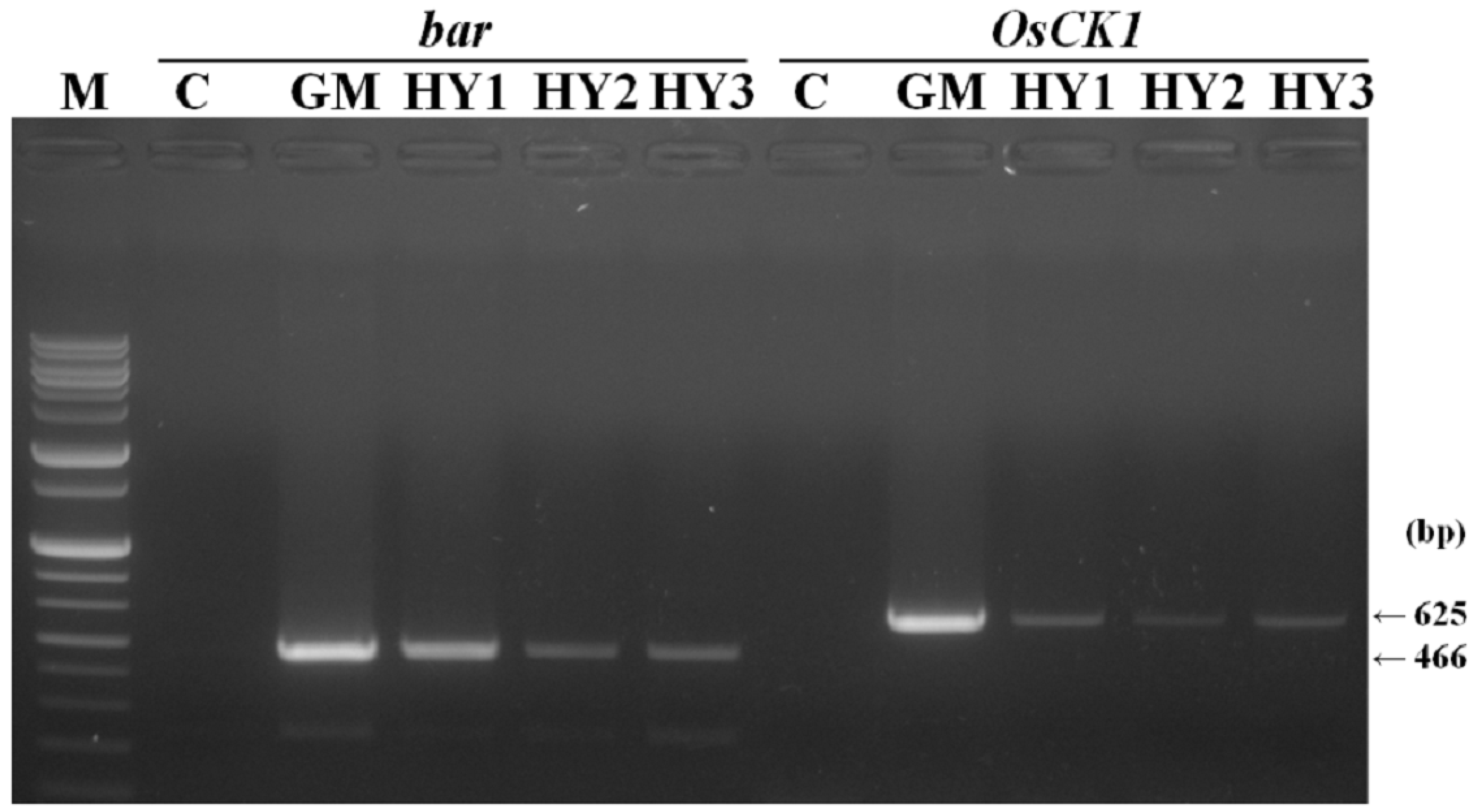
Fig. 6.Detection of hybrids between GM rice and non-GM rice. The disease resistant rice was expected to show a large-sized band (18kb), while 1.5kb band would be amplified for the non-GM and hybrid rice because GM rice has 2 copies of insertion (8.2kb). M: DNA marker, C: non-GM rice (Nagdongbyeo), GM: disease resistant rice (OsCK1), HY1~HY3: Nagdongbyeo × OsCK1 hybrids.
적 요
국내에서는 아직까지 유전자변형 작물이 재배되고 있지 않 으나 유전자변형 작물의 환경방출을 위해서는 반드시 환경위 해성 평가가 수행되어야 한다. 본 연구에서는 병저항성 유전 자변형 벼(OsCK1)로부터 비 형질전환 벼(낙동벼)와 잡초성 벼(R55)로의 화분 매개에 의한 유전자 이동성을 평가하였다. 비 형질전환 벼로부터 449,711립의 종자를 얻었으며 잡초성 벼로부터는 164,604립의 종자를 수확하였다. 교잡개체는 2회 의 제초제 살포와 병저항성 벼에 특이적인 프라이머를 이용 한 분자생물학적 방법을 통해 저항성 여부를 검증하였다. 개 화기간이 서로 일치하였음에도 불구하고 비 형질전환 벼에서 만 교잡개체를 확인할 수 있었으며, 교잡율은 교잡개체가 발 생한 거리에 따라 0.013~0.018%로 나타났다. 모든 교잡개 체들은 병저항성 유전자변형 벼에 근접한 0.6 m내에서 발견 되었다. 화분 매개에 의한 병저항성 유전자변형 벼의 유전자 이동성은 앞서 연구된 결과와 유사한 것으로 나타나 농업환 경에 방출되더라도 환경에 미치는 영향은 다른 벼들과 비슷 할 것으로 추정되었다. 개화기간 중 온도와 습도 등 기상요인 이 벼의 교잡율을 결정하는데 중요한 요소이었다. 따라서 유 전자변형 벼와 주변 재배종 및 잡초성벼로의 유전자 이동에 의한 안전관리 대책을 마련하기 위해서 지역의 기상요인과 개화기 중복 등의 요인들이 충분히 고려되어야 할 것이다.
사 사
본 연구는 농촌진흥청 국립농업과학원 농업과학기술 연구 개발사업(과제번호: PJ0009609022014)의 지원에 의해 이루 어진 것임.
References
- 1. Bae HK, Oo MM, Jeon JE, Tien DN, Oh SA, Oh S-D, Kweon S-J, Eun M-Y, Park SK. Evaluation of gene flow from GM to non-GM rice. Plant Breed. Biotech 2013. 1: 162-170.
- 2. Chen LJ, Lee DS, Song ZP, Suh HS, Lu BR. Gene flow from cultivated rice (Oryza sativa) to its weedy and wild relatives. Ann. Bot 2004. 93: 67-73.
- 3. Conner AJ, Glare TR, Nap JP. The release of genetically modified crops into the environment-Part II. Over view of ecological risk assessment. Plant J 2003. 33: 19-46.
- 4. Ellstrand NC, Prentice HC, Hancock JF. Gene flow and introgression from domesticated plants into their wild relatives. Annu. Rev. Ecol. Syst 1999. 30: 539-563.
- 5. Gealy DR, Mitten DH, Rutger JN. Geneflow between red rice (Oryza sativa) and herbicide-resistant rice (O. sativa): implications for weed management. Weed Technol 2003. 17: 627-645.
- 6. James C. Global status of commercialized biotech/ GM crops. ISAAA Brief No. 44 2012. Ithaca, NY, ISAAA.
- 7. Langevin SA, Clay K, Grace JB. The incidence and effects of hybridization between cultivated rice and its related weedredrice (Oryza sativa L.). Evolution 1990. 44: 1000-1008.
- 8. Lee J, Suh S, Lee Y, Kim Y, Heo S. OsCK1 gene from Oryza sativa, expression vector comprising the gene, transformants transformed with the vector and production method of the transformants. Republic of Korea Patent No. 100682129 2007.
- 9. Lu BR, Snow AA. Gene flow from genetically modified rice and its environmental consequences. Bioscience 2005. 55: 669-678.
- 10. Messeguer J, Fogher C, Guiderdoni E, Marfa V, Catala MM, Baldi G, Mele E. Field assessments of gene flow from transgenic to cultivated rice (Oryza sativa L.) using a herbicide resistance gene as tracer marker. Theor. Appl. Genet 2001. 103: 1151-1159.
- 11. OECDConsensus documenton the biology of Oryza sativa (Rice). Paris: Organization for Economic Cooperation and Development 1999.
- 12. Owen MDK. Current use of transgenic herbicide- resistant soybean andcorninthe USA. Crop Prot 2000. 19: 765-771.
- 13. Raybould AF, Gray AJ. Genetically-modified crops and hybridization with wild Relatives - a Uk perspective. J. Appl. Ecol 1993. 30: 199-219.
- 14. Shivrain VK, Burgos NR, Sales MA, Mauromoustakos A, Gealy DR, Smith KL, Black HL, Jia M. Factors affecting the outcros singrate between Clear field ™ rice and red rice (Oryza sativa). Weed Sci 2009. 57: 394-403.
- 15. Slatkin M. Gene flow and the geographic structure of natural populations. Science 1987. 236: 787-792.
- 16. Song ZP, Lu BR, Chen JK. Pollen flow of cultivated rice measured under experimental conditions. Biodivers. Conserv 2004. 13: 579-590.