적요
Red skin coloration in pears is caused by anthocyanin accumulation, which contributes to antioxidant activity and enhances consumer preference because of its attractive appearance. However, anthocyanin levels are strongly affected by light, making it difficult to maintain stable coloration under bagging practices commonly used in Korea. In this study, we developed the first red-skinned pear cultivar in Korea, ‘Jungmojeoksaek1ho’ (Pyrus pyrifolia×(P. pyrifolia×P. communis)), and examined changes in anthocyanin content according to the timing of bagging. ‘Jungmojeoksaek1ho’ originated from a cross between ‘Manpungbae’ (P. pyrifolia) and ‘Oharabeni’ (P. pyrifolia×P. communis) in 2003 and was registered as a new cultivar in 2025 (Registration No. 10597). The trees were vigorous, with a spreading growth habit. The mean fruit weight was 291.5 g, lower than that of the control cultivar ‘Wonhwang’ (P. pyrifolia), with soluble solids content of 12.8° Brix and titratable acidity of 0.31%. Anthocyanin content analysis of the peel revealed that ‘Jungmojeoksaek1ho’ maintained high levels until 80 days after full bloom (DAFB), followed by a sharp decline. Bagging at 60 or 80 DAFB reduced anthocyanin accumulation, whereas bagging after 100 DAFB maintained relatively high levels in the later stages. These results suggested that bagging after 100 DAFB was optimal for achieving stable red coloration (Registration No. 10597).
서언
배나무속(
Pyrus)은 유럽과 아시아를 중심으로 재배되어 왔으며, 우리나라에서는 주로 남방형 동양배(
P. pyrifolia)가 재배되고 있다. 국내 배 산업은 ‘신고’ 중심의 단일 품종 체계에 의존해 왔으나, 소비자 기호 변화와 시장 다변화에 따라 새로운 품종 개발의 필요성이 높아지고 있다(
Jung et al. 2024). 최근에는 기능성과 심미성을 동시에 충족시키는 과실에 대한 수요가 증가하고 있으며, 대표적인 사례가 적색 배이다. 과피에서 적색은 안토시아닌 축적에 의해 발현되며, 항산화 작용을 하고 과실 외관을 매력적으로 만들어 소비자 선호도를 높인다(
Thomson et al. 2018). 유럽과 미국에서는 이러한 특성으로 인해 적색 배가 고부가가치 과실로 주목받고 있으며, 시장 수요 확대에 맞추어 육종과 상업 재배가 꾸준히 이루어지고 있다(
Dondini et al. 2008,
Yue et al. 2016).
안토시아닌은 플라보노이드 계열의 수용성 색소로, 다양한 환경 요인의 영향을 받으며 특히 광 환경은 합성과 축적에 핵심적인 역할을 한다(
Gu et al. 2019). 따라서 국내에서 일반적으로 활용되는 봉지 재배 방식은 안정적인 적색 발현에 불리하다. 더구나 국내에는 적색 배 유전자원이 부족하여 품종 개발에 제약이 있었다. 이에 국립원예특작과학원 배연구센터에서는 ‘만풍배’(
P. pyrifolia)에 ‘대원홍’(
P. pyrifolia×
P. communis)을 교배하여 적색 형질을 안정적으로 발현하는 계통을 선발하였다. 그 결과 국내 최초의 적색 배 품종인 ‘중모적색1호’(
Pyrus pyrifolia×(
P. pyrifolia×
P. communis))를 개발하였다. 따라서 본 연구에서는 ‘중모적색1호’의 육성 경위와 주요 특성을 보고하고자 한다.
재료 및 방법
육성경위
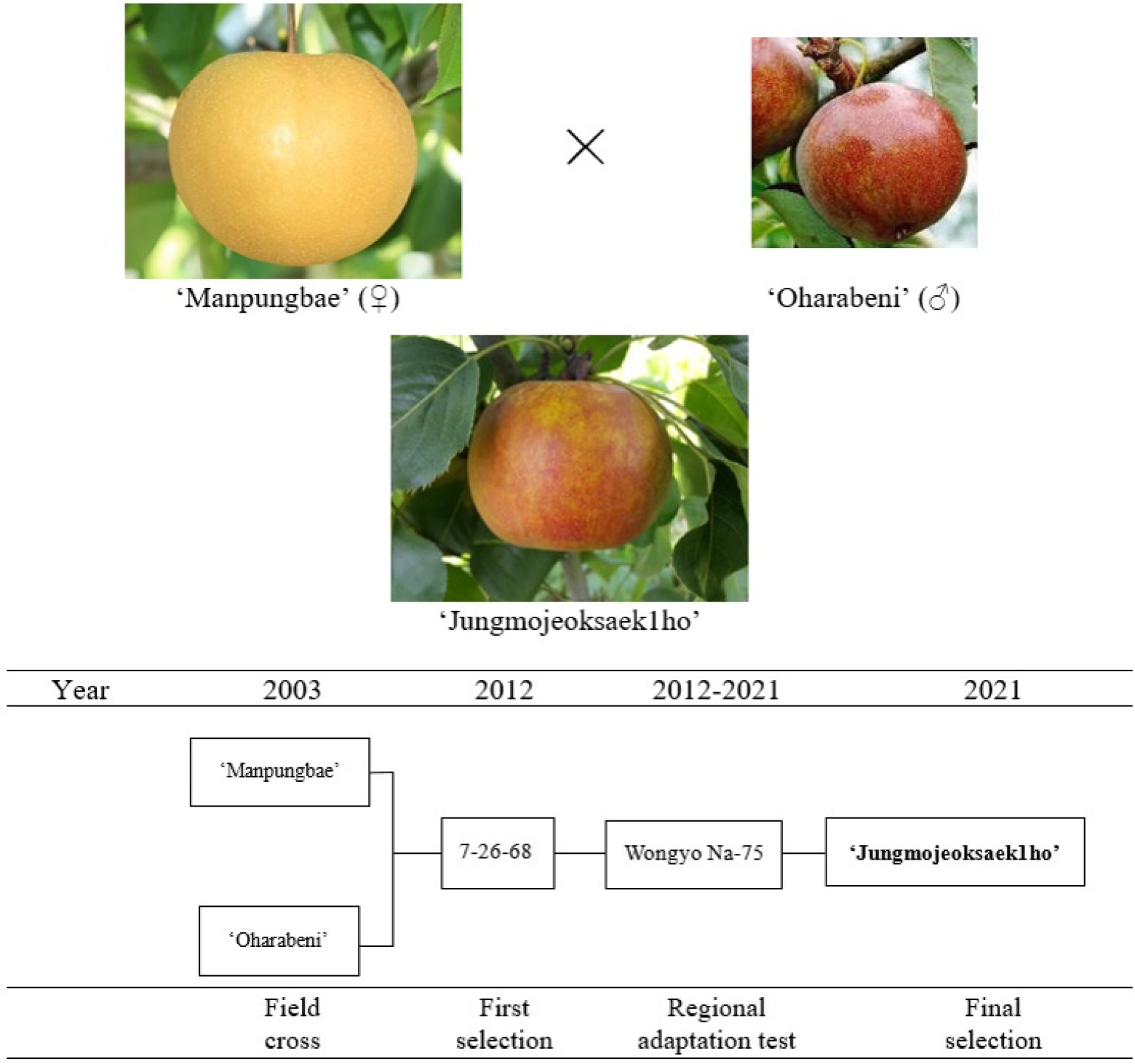
‘중모적색1호’는 적색 과피 형질을 안정적으로 발현하면서 과실 품질이 우수한 배 품종을 개발하기 위하여 2003년에 ‘만풍배(IT226173)’에 적색배 ‘대원홍(IT226170)’을 교배하여 개발한 품종이다(
Fig. 1). 2004년에 총 355주의 교배실생을 양성하였으며, 이들 중 과피색과 과실 특성이 우수한 개체를 선발하여 ‘7-26-68’을 1차 계통으로 지정하였다. 2008년부터 2012년까지 반복 선발을 통해 적색 발현과 과실 품질을 확인하였고, 이 계통에 ‘원교 나-75호’라는 계통명을 부여하였다. 이어서 2012년부터 2021년까지 10년간 지역적응시험을 수행한 결과, 모든 지역에서 품질의 우수성이 인정되어 2021년 농작물 직무육성 신품종선정위원회에 상정하여 심의를 거친 후 ‘중모적색1호’으로 명명하였다. 그 후 국립종자원의 재배심사를 거쳐 2025년 식물신품종보호법 제54조에 따라 품종보호등록원부에 등록(품종보호 제10597호)되었다.
지역적응시험은 2012년부터 2021년까지 10년간 경기 화성, 강원 춘천, 경남 진주, 충남 예천, 전남 나주 5개 지역에서 수행되었다. 2년생 접목묘를 5×3 m의 재식 거리로 5주씩 식재한 후 Y자 수형으로 관리하였으며, 기타 재배는 표준재배법에 준하였다. 지역적응시험에 활용 중인 4개의 대조품종 중 ‘중모적색1호’와 수확기가 유사하여 동일한 시점에 과실 특성을 비교할 수 있는 ‘원황’을 대조품종으로 사용하였다.
특성조사
수체 생육 및 과실 특성은 농촌진흥청 농사시험연구 조사기준(RDA 2015)과 배 유전자원 특성 조사 매뉴얼(RDA 2013)에 따라 각 지역에서 2017년부터 2021년까지 5개년간 조사하였다. 1년생 가지의 특성은 총 5주의 개체 중에서 균일한 생육을 보이는 10개의 가지를 선정하여 신초 정지기 이후에 조사하였다. 당도는 휴대용 굴절당도계(PR-1, Atago, Japan)로 측정하였고, 경도는 ZwickLineZ0.5 (Zwick/Roell, Ulm, Germany)장비에 8 mm plunger를 이용하여 최대 하중을 측정하였다. 산도는 전위차적정기(798 MPT Titrino, Metrohm, Switzerland)로 분석하였다.
광 차단 처리 및 샘플링
광 노출에 따른 착색 차이를 검정하기 위하여 ‘중모적색1호’의 과실에 만개 후 60일, 80일, 100일 시점에서 봉지를 씌워 광을 차단하였다. 과실은 만개 후 40일부터 수확기까지 20일 간격으로 10과를 무작위로 수집하였으며, 수집한 과실에서 과피를 채취하여 즉시 액체질소에 동결한 후 분쇄하였다. 분쇄한 시료는 -80℃에서 안토시아닌 분석 전까지 보관하였다.
안토시아닌 함량 분석
안토시아닌 함량은 AOAC 표준법을 기반으로 한 pH 차이법(pH differential method)으로 분석하였으며(
Giusti & Wrolstad 2001), 기존 분광광도계 분석법을 참고하였다(
Johnson et al. 2020). 채취한 과피 시료는 처리당 3반복으로 준비하였으며, 산성 메탄올 용액(85% 메탄올, 15% HCl, v/v)으로 추출한 후, UV-Vis 분광광도계(BioTek Instruments, Winooski, VT, USA)를 이용하여 520 nm와 700 nm에서 흡광도를 측정하였다. 총 안토시아닌 함량은 cyanidin-3-glucoside를 표준물질로 하여 산출된 계산식을 통해 산출하였다.
품종 간 차이를 검정하기 위해 t-검정을 실시하였으며, 유의수준은 5% (α=0.05)와 1% (α=0.01)로 설정하였다. 처리 간 평균 비교는 일원분산분석(ANOVA)을 수행한 후 Tukey의 다중범위검정(HSD test)을 통해 유의성을 판정하였다.
결과 및 고찰
생육 특성
‘중모적색1호’의 수세는 강하고 수형은 개장형이다. 1년생 가지의 특성은 짙은 자주색을 띠었으며, 길이는 평균 86.9 cm, 두께는 6.7 mm, 절간장은 4.1 cm로 조사되었다. 겨드랑이 꽃눈 수는 6.6개로 대조 품종인 ‘원황’(4.9개)보다 많았다(
Table 1).
2017년부터 2021년까지 춘천, 화성, 진주, 예산, 나주 5개 지역에서 조사한 결과, ‘중모적색1호’의 만개기는 4월 15일, 수확기는 9월 2일로 ‘원황’과 유의한 차이가 없었다. 평균 과중은 291.5 g으로 ‘원황’(555.2 g)에 비해 작은 편이었다. 당도는 12.8 °Brix로 두 품종 간 차이는 없었으나, 산도는 0.31%로 ‘원황’(0.17%)보다 높았다. 경도는 3.8 kg⋅8mmØ
-1로 조사되었으며, 과피색은 적색으로 ‘원황’의 갈색과 뚜렷한 차이를 보였다(
Table 2).
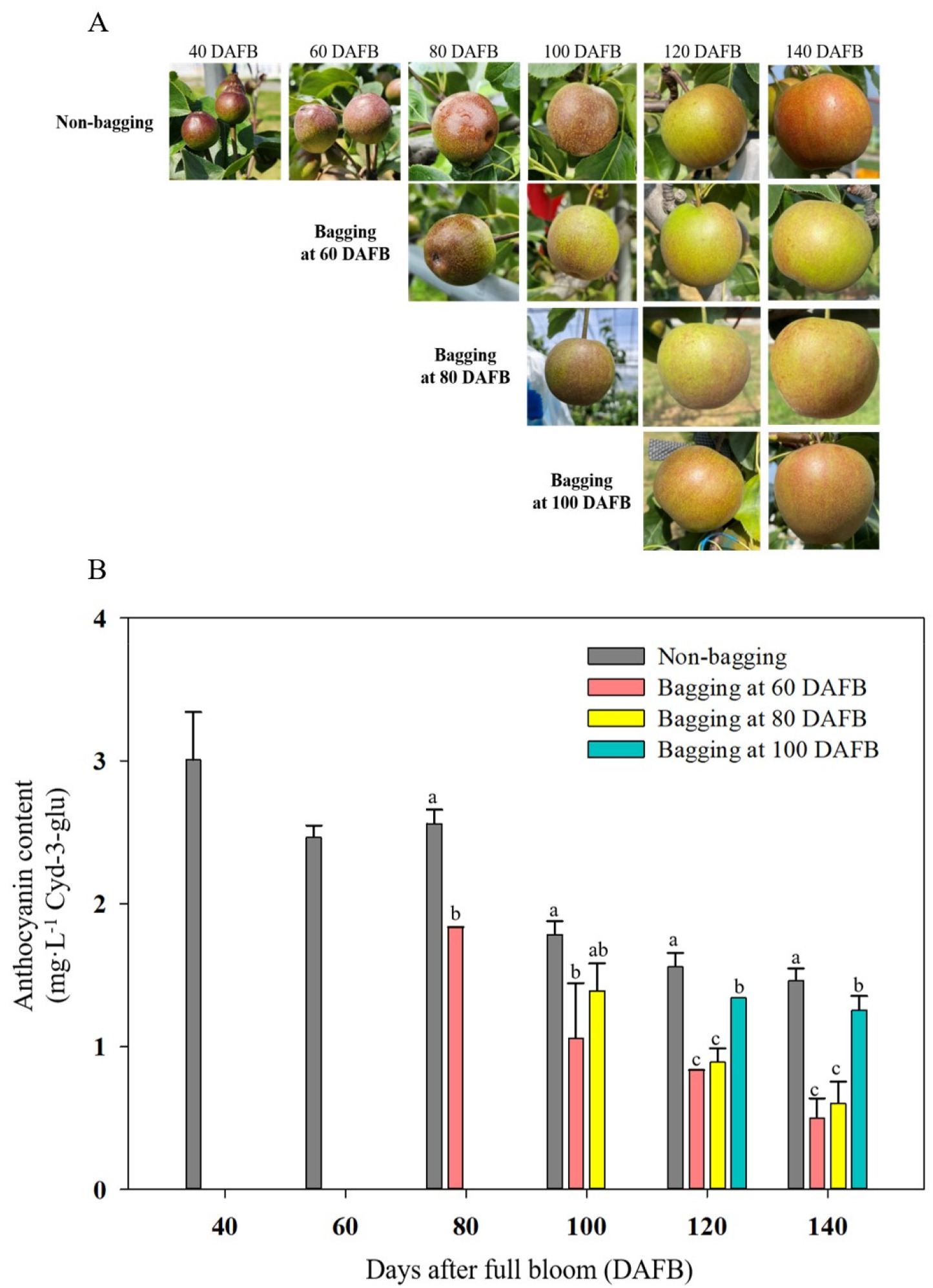
‘중모적색1호’의 과피에서 안토시아닌 축적 특성은 초기 발달 단계에서 빠르게 증가하다가 성숙기에 접어들면서 감소하는 양상을 보였다(
Fig. 2A). 이는 본 품종의 고유한 생리적 특징으로, 착색 안정성을 확보하기 위해 생육 초반 광 환경 관리가 중요한 요인임을 보여준다. 실제로 만개 후 60일과 80일에 봉지를 씌운 처리구에서는 전 생육 기간 동안 안토시아닌 축적이 현저히 낮았으나, 만개 후 100일 이후에 봉지를 씌운 경우에는 초기 착색이 유지된 상태에서 봉지 처리가 이루어져 상대적으로 높은 안토시아닌 함량을 나타냈다(
Fig. 2B). 이러한 결과는 안정적인 착색을 위해서는 만개 후 100일 이후에 봉지를 씌우는 것이 바람직하다는 점을 시사한다. 또한 봉지 재배의 본래 목적이 병해충 방제임을 고려할 때(
Yang et al. 2003), 8월 전후 과실을 가해하는 복숭아 순나방(3, 4세대)의 피해를 줄이면서 착색을 유지할 수 있는 재배 전략으로 활용 될 수 있다.
적요
배의 적색 착색은 안토시아닌 축적에 의해 발현되며, 이는 항산화 작용과 매력적인 외관으로 소비자 선호도를 높인다. 그러나 안토시아닌은 광 환경에 크게 영향을 받기 때문에, 봉지 재배가 일반적인 국내 조건에서는 안정적인 착색 유지가 어렵다. 이에 본 연구에서는 국내 최초의 적색 배 품종인 ‘중모적색1호’를 개발하고, 봉지 씌우기 시기에 따른 안토시아닌 함량 변화를 조사하였다. ‘중모적색1호’는 2003년 ‘만풍배’와 ‘대원홍’을 교배하여 육성되었으며, 2025년 품종 등록을 완료하였다. 수세는 강하고 수형은 개장형이었으며, 평균 과중은 291.5 g으로 ‘원황’보다 작았고, 당도는 12.8 °Brix, 산도는 0.31%였다. 만개 후 일수별 과피의 안토시아닌 함량 분석 결과, 만개 후 80일까지 높은 수준을 유지하다가 이후 급격히 감소하였다. 또한 만개 후 60일과 80일에 광을 차단한 경우 함량이 낮게 나타났으며, 100일 이후 차단한 경우에는 후기까지 비교적 높은 수준을 유지하였다. 따라서 본 품종은 안정적인 착색을 위해 만개 후 100일 이후에 봉지를 씌우는 것이 바람직하다.
사사
본 논문은 농촌진흥청 시험연구사업(과제명: 배 신품종 개발 및 유용자원 선발, 과제번호: PJ017372)의 지원으로 수행되었습니다.
Fig. 1Pedigree diagram of the red-skinned pear ‘Jungmojeoksaek1ho’.
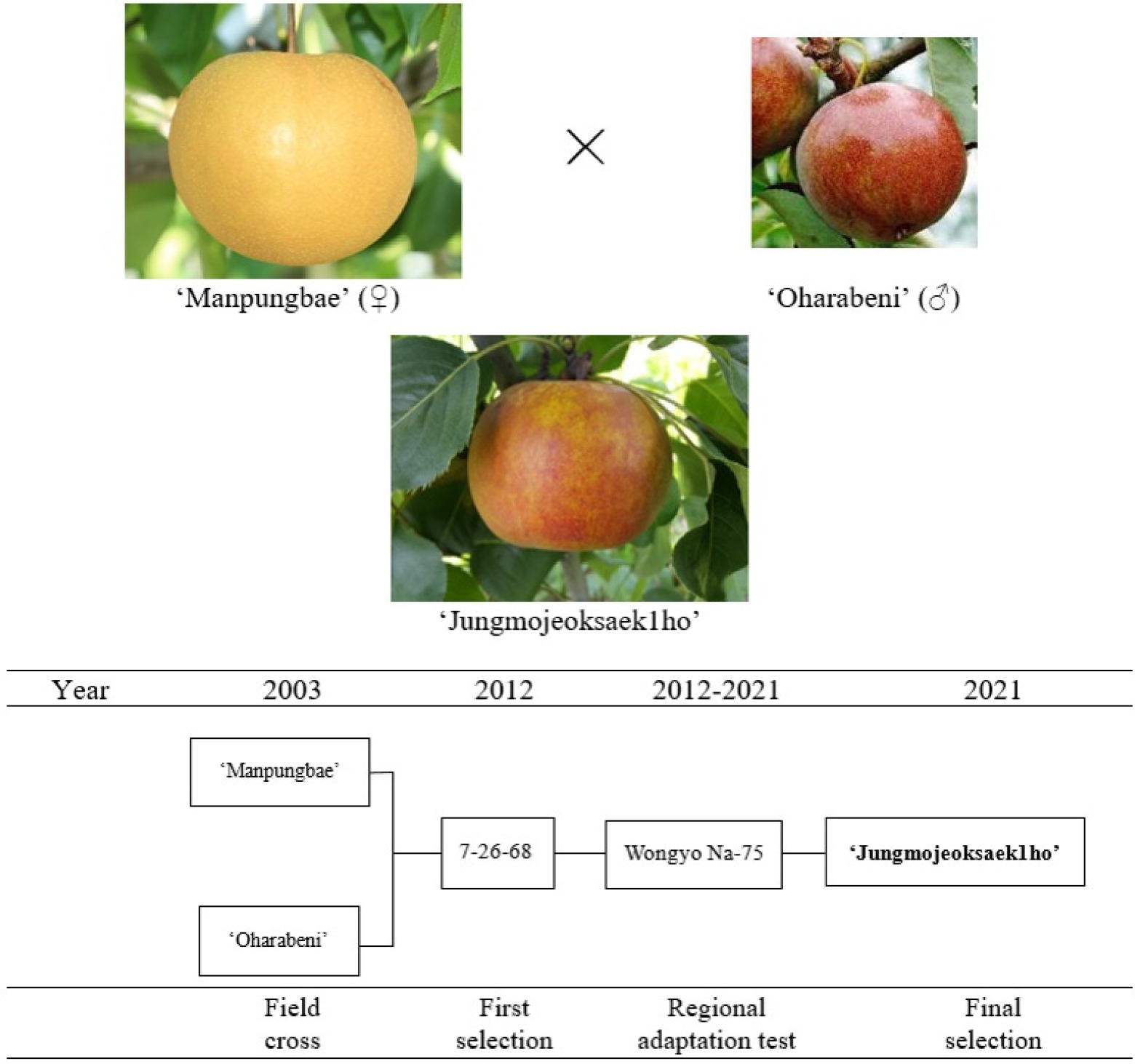
Fig. 2Comparison of visual changes and anthocyanin content in the peel of ‘Jungmojeoksaek1ho’ at 40, 60, 80, 100, 120, 140 days after full bloom (DAFB) under treatments including non-bagging and bagging at 60, 80, and 100 DAFB. A, Representative images of fruits; B, Anthocyanin content (mg⋅L-1 Cyd-3-glu). Data were obtained from samples prepared from 10 fruits per treatment with three biological replicates, and are presented as mean±standard error (n=3). Statistical differences among treatments were analyzed using one-way ANOVA followed by Tukey’s HSD test at p<0.05.
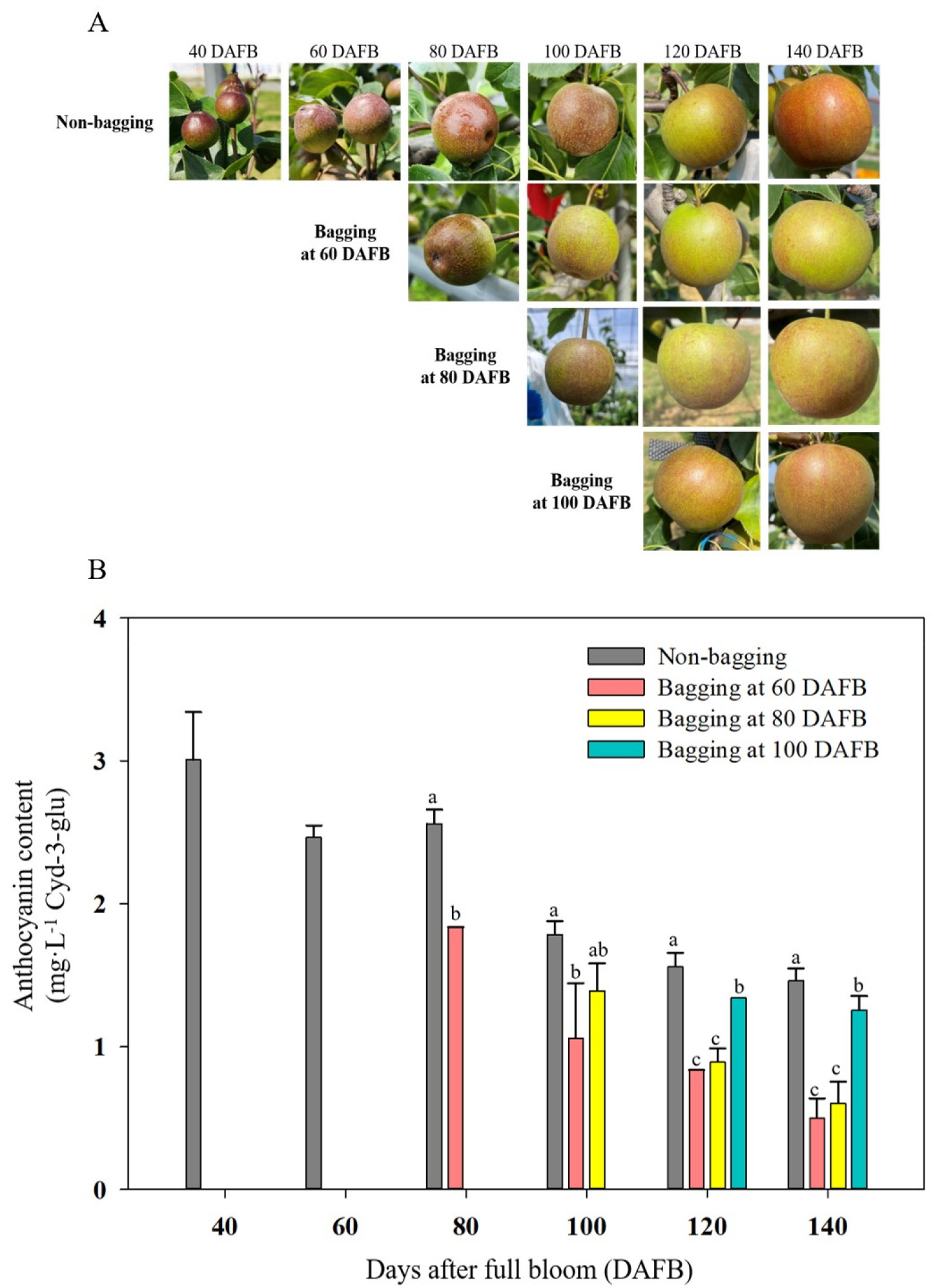
Table 1Tree characteristics of the red-skinned pear ‘Jungmojeoksaek1ho’ and control cultivar ‘Wonhwang’ evaluated across five regions (Chuncheon, Hwaseong, Jinju, Yesan, and Naju) from 2017 to 2021.
Table 1
|
Cultivar |
Tree |
|
One-year-old shoot |
|
|
|
Vigor |
Form |
Color |
Length
(cm) |
Thickness
(mm) |
Internode length
(cm) |
No. of axillary flower bud |
|
Jungmojeoksaek1ho |
Vigorous |
Spreading |
|
Dark purple |
86.9**
|
6.7**
|
4.1ns
|
6.6**
|
|
Wonhwang |
Vigorous |
Spreading |
|
Brown |
105.9 |
7.8 |
4.5 |
4.9 |
Table 2Fruit characteristics of the red-skinned pear ‘Jungmojeoksaek1ho’ and control cultivar ‘Wonhwang’ evaluated across five regions (Chuncheon, Hwaseong, Jinju, Yesan, and Naju) from 2017 to 2021.
Table 2
|
Cultivar |
Full bloom date |
Harvest
date |
Fruit
weight
(g) |
Soluble solids content
(°Brix) |
Firmness
(kg⋅8mmØ-1) |
Acidity
(%) |
Fruit
skin color |
|
Jungmojeoksaek1ho |
04/15ns
|
09/02ns
|
291.5**
|
12.8ns
|
3.8ns
|
0.31**
|
Red |
|
Wonhwang |
04/11 |
09/04 |
555.2 |
12.9 |
3.3 |
0.17 |
Brown |
References
- 1. Dondini L, Pierantoni L, Ancarani V, D'Angelo M, Cho KH, Shin IS, Musacchi S, Kang SJ, Sansavini S. 2008. The inheritance of the red colour character in european pear (Pyrus Communis) and its map position in the mutated cultivar 'Max Red Bartlett'. Plant Breed 127: 524-526.
- 2. Giusti MM, Wrolstad RE. 2001. Characterization and measurement of anthocyanins by UV? Visible spectroscopy. Curr Protoc Food Anal Chem 1: F1.2.1-F1.2.13.
- 3. Gu K-D, Wang C-K, Hu D-G, Hao Y-J. 2019. How do anthocyanins paint our horticultural products? Sci Hortic 249: 257-262.
- 4. Johnson J, Collins T, Walsh K, Naiker M. 2020. Solvent extractions and spectrophotometric protocols for measuring the total anthocyanin, phenols and antioxidant content in plums. Chem Pap 74: 4481-4492.
- 5. Jung H, Kim Y-K, Won K, Kim K, Shin IS, Choi J, Kang S-S, Seo H, Cho YS, Kang AR. 2024. 'Jinhyang': A fragrant pear cultivar. Korean J Breed Sci 56: 160-168.
- 6. Rural Development Administration (RDA).2013. Manual on evaluation of pear germplasm characteristics for pear core collection construction.
- 7. Rural Development Administration (RDA).2015. Manual for agricultural investigation.
- 8. Thomson GE, Turpin S, Goodwin I. 2018. A review of preharvest anthocyanin development in full red and blush cultivars of european pear. N Z J Crop Hortic Sci 46: 81-100.
- 9. Yang CY, Han KS, Jung JK, Boo KS, Yiem MS. 2003. Control of the oriental fruit moth, Grapholita molesta (Busck) (Lepidoptera: Tortricidae) by mating disruption with sex pheromone in pear orchards. J Asia-Pacif Entomol 6: 97-104.
- 10. Yue W, Zhang H, Liu J, Xu J, Hao B, Gao L, Li L. 2016. Breeding report of a new red pear cultivar 'Xianghongli'. Agric Sci Technol 17: 2569.
Citations
Citations to this article as recorded by