적요
‘Hyesun’, a new cultivar of leaf lettuce (Lactuca sativa L.) with sharply wrinkled oval and red leaf, produced by a cross between 'Nongjeockchima’ (red leaf color) and ‘Jeockchima’ (high yield) has late bolting and high yield in the field. The cross and selection for advanced lines had been done by the pedigree method from 2002 to 2008. The ‘Hyesun’ has gray seed color and medium elliptic leaves. The yield and adaptability of the advanced lines were evaluated at several locations of Korea (Gangwon-do, Gyeonggi-do, Chungcheongbuk-do, Jeollabuk-do, Gyeongnam-do, and Jeju-do) for 3 years (from 2009 to 2012). The type of maturity of ‘Hyesun’ is early-medium. The leaf hardness of ‘Hyesun’ is a 1,237kg/cm2, which is not thicker than ‘Yeolpungeokchima’. The anthocyanin content of 'Hyesun' is a 88.32mg/100g, which is lower than that of ‘Yeolpungeockchima’. The BSL (Bitter Sesquiterpene Lactones, latucin + 8-deoxylactucin + lactucopicrin) content of ‘Hyesun’ is a 5.0ug/g of DW, which is lower than that of ‘Yeolpungeockchima’. Compared to ‘Yeolpungeockchima’, marketable yield of ‘Hyesun’ was higher by 7% (at 381g per plant) and the bolting time of ‘Hyesun’ was remarkably delayed under high temperature cultivation in the field. The shelf-life of ‘Hyesun’ was four weeks longer than ‘Yeolpungeockchima’ at 4°C. Furthermore, because ‘Hyesun’ is more crispy and sweeter than ‘Yeolpungeockchima’, ‘Hyesun’ has the better taste. So, we recommend that the new cultivar ‘Hyesun’ can be suitable for cultivation in both spring and fall season.
서 언
2015년 NASA의 발표에 의하며 우주정거장 식물공장에서 상추를 재배하여 먹는 모습이 전세계인에게 방영되었듯이 상추 는 언제 어디서든 재배가 가능한 채소작물중의 하나이다. 최근 국내 재배면적과 생산량은 2005년도에 5,610 ha, 167,000톤에 서 2014년도에는 4,029 ha, 108,000톤으로 감소추세에 있다 (
MAFRA, 2015). 상추는 국내 식문화와 결부되어 쌈과 샐러드 채소로서 꾸준히 생산 소비되는 신선 채소류의 대명사라 할 수 있다. 또한 베이비채소 및 새싹채소로도 이용의 폭이 넓어 지고 있다. 국내 잎상추 시장은 60% 이상이 적축면과 적치마 상추이며, 청치마 상추가 30% 정도를 차지하고 있고, 이밖에 청축면과 로메인 등 특수상추가 10% 정도 유통되고 있다(RDA 2006,
Jang et al. 2007a). 2014년도 상추의 국내 생산액은 1,257 억원으로 엽채류 중에서는 배추 다음으로 많은 생산액을 차지하 고 있다(
MAFRA 2015).
상추농가의 고민은 여름철 고온기 재배시 추대가 늦고, 적색 색소인 안토시아닌 발현이 안정적으로 발현되는 품종 및 연작지 재배토양에서 강한 품종을 원하고 있으나 아직까지 국내에서 시판되고 있는 상추는 이런 문제점들을 해결하지 못하고 있다 (
Jang et al. 2007a).
이번에 육성한 ‘혜선’은 기존에 육성한 적치마 상추인 ‘장 수’(
Jang et al. 2007b)에 비해 파종 후 추대소요일수가 115일로 7일이상 늦고, 수량성은 장수는 2,489kg/10a인데 비하여 ‘혜선’ 은 2,900kg/10a로 14% 증수된 개량된 품종으로, 적색발현은 미흡하나 다수성 품종을 원하는 생산자에게 호감을 줄 수 있는 품종이다. 이 품종은 2013년 11월에 농촌진흥청 신품종심사위 원회를 통과하여 2014년 1월에 ‘혜선’으로 명명하여 국립종자원 에 품종 출원하여, 2년간 국립종자원에서 DUS검정을 통과하여 2015년 12월에 제 5796번으로 품종등록 되었다. 본 논문에서는 이의 육성경위와 주요특성을 보고하는 바이다.
재료 및 방법
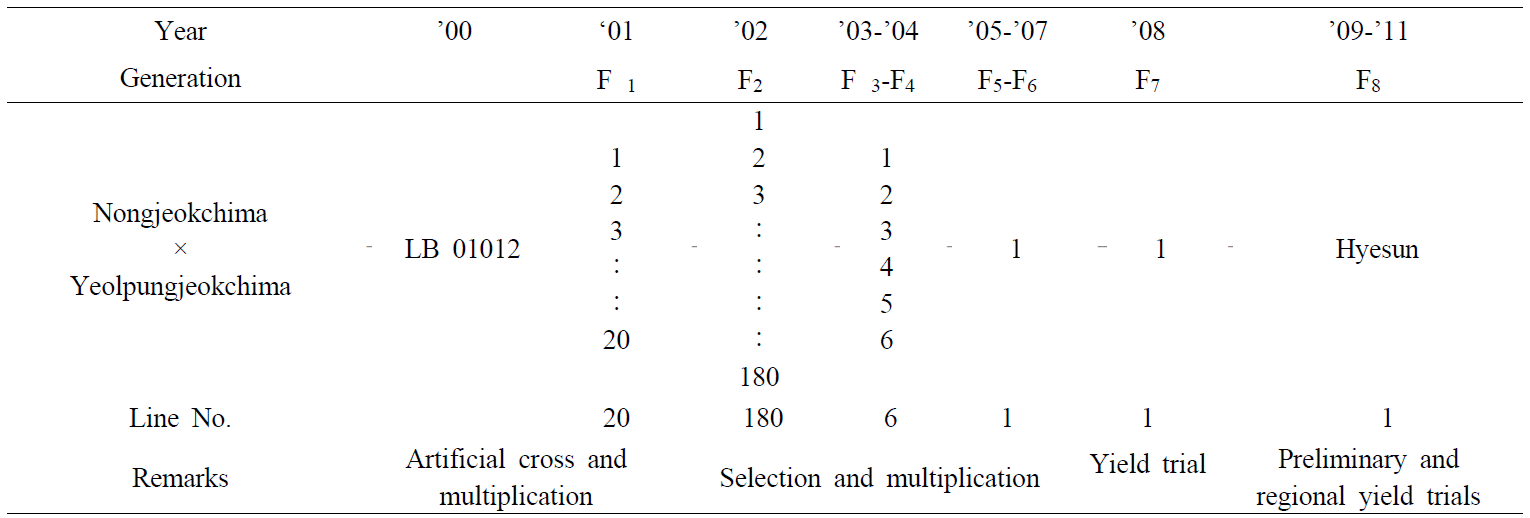
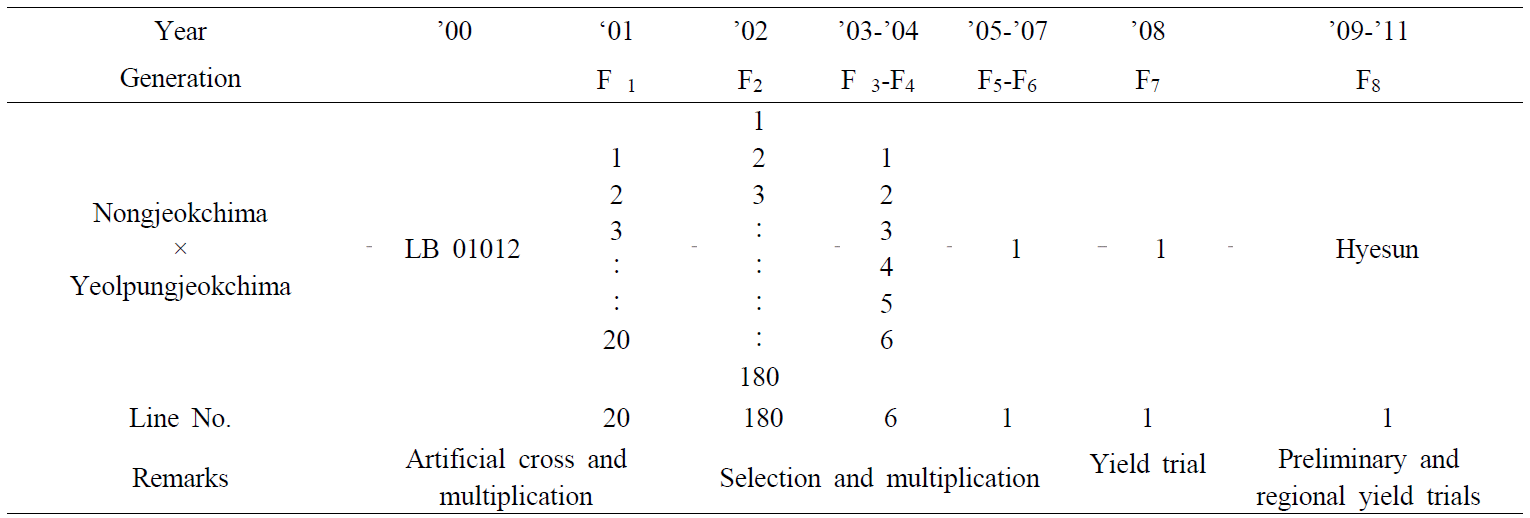
다수성이면서 적색발현이 좋은 품종 육성을 목표로 2000년 다수성 품종인 ‘농적치마’를 모본으로 하고 추대가 늦은 ‘적치 마’를 부본으로 하여 교배하였다(Fig.
1). 상추는 자식성 작물로, 자식성 작물에서 가장 많이 이용하는 계통육종법에 의해 교배 후 선발 고정하였다. 2000년 F
1종자를 획득하여 2001년에 F
1 여부를 확인하고 채종하여 F
2 180개체를 획득하였다. F
2에서는 모양, 추대, 적색발현 및 포장 내 병저항성 등을 종합적으로 고려한 개체를 선발하여 F
4세대까지 6계통을 선발하였다. F
5세 대부터 F
7세대까지는 고정도가 높고, 추대가 늦고 수량이 많은 1계통을 최종적으로 선발하였다. 선발한 계통에 대해 생산력 검정과 전국 6개 지역에서 3년간 지역적응시험을 수행하였다. 지역적응 시험결과 적색발현, 추대 및 다수성 등을 종합적으로 검토하여 선발하였다(Fig.
1).
Fig. 1.Pedigree of leaf lettuce ‘Heysun’.
상추 쓴맛의 주성분인 BSL(Bitter Sesquiterpene Lactones, latucin+8-deoxylactucin+lactucopicrin) 함량을 정량하기 위 해, 상추 잎을 -80°C에서 냉동 후 동결건조기(일신 Freeze dryer) 로 건조시키고 막자 사발을 이용, 분쇄하여 분말 상태로 만든 다음, 분말 시료 1 g을 메탄올100 ml에 넣고 65°C에서 1시간 정도 환류 시켰다. 메탄올 용액을 실온으로 냉각시킨 후 여과지를 이용해서 여과한 다음, 여과된 용액은 rotary evaporator로 30~ 35°C를 유지시키며 1~5 mmHg 압력상태로 감압 증류하였다. 메탄올 용액을 감압 증류하고 남은 잔사를 물에 녹여서 클로로포 름(CH3Cl)으로 2~3회 추출하였다. 클로로포름 추출 용액을 황산마그네슘 (MgSO4)으로 탈수한 다음, 온도를 20~30°C를 유지시키며 1~5 mmHg으로 감압 증류하였다. 감압증류하고 남은 잔사를 MeOH/CHCl3 (v/v=1/2) 용액에 녹여서 HPLC로 분리 정량하였다.
적색 색소인 안토시아닌 함량은 상추 잎 2g을 채취하여 95% ethanol과 1.5 N HCl을 85:15(v/v)로 혼합한 추출액에 넣고 마쇄하여 4°C에서 overnight 시킨 후 13,000rpm에서 20분간 2회 원심분리하여 얻은 상등액을 희석하여 흡광도를 535 nm에 서 측정하여 산출하였다(
Flulecki & Francis 1968).
품질특성인 잎의 경도는 EZ Test 500N을 이용하여 측정하였 고, 저장성은 반복 별 10장의 잎을 4°C 냉장고에 4주간 저장 후 부패율을 조사하였다. 특히 병저항성은 고온기에 많이 발생하 는 균핵병 저항성을 중점으로, 포장 내에서 자연 발생한 균핵병의 저항성 여부로 판단하였다. 그 외 추대, 수량성 등 주요 특성조사 는 농촌진흥청 상추조사기준(
RDA 2004)을 토대로 조사하였고 통계처리는 SAS 9.12를 이용하였다.
결과 및 고찰
주요 품종 특성
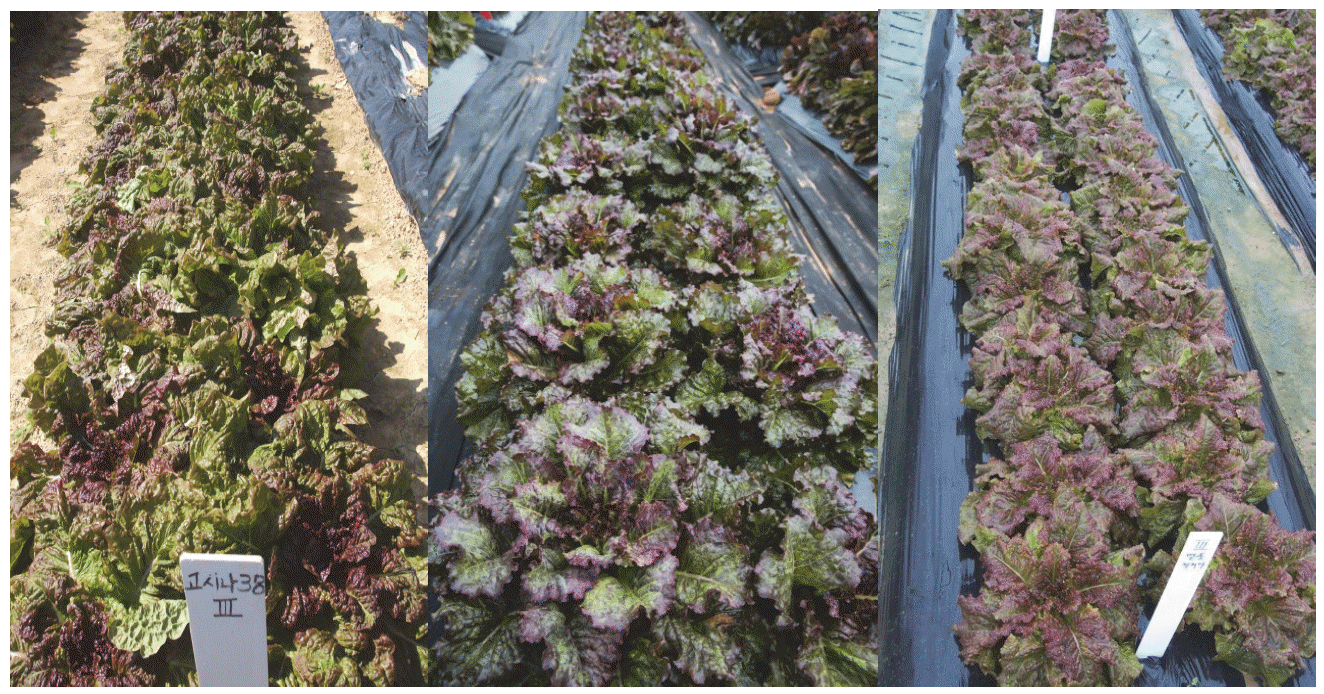
신품종 ‘혜선’은 고유특성으로 종자색은 회색인, 적치마 잎상 추로, 엽형은 타원형이며, 엽색은 옅은 적색이며, 엽병 부분은 흰색이며, 잎기부 아래는 흰색이나 중간부터 적색인 특성을 갖고 있다(Fig.
2, Table
1). 가변특성으로 발아율은 97% 이상이며, 엽장 17.1 cm, 엽폭 12.2cm로 수확시기를 잘 맞춘다면 쌈용으로 이용하기에 좋은 모양과 형태를 가지고 있다. 주당 수확이 가능한 엽수는 평균 72매로 대비인 ‘열풍적치마’보다 1매가 많고, 엽당 무게는 5.3g으로 ‘열풍적치마’보다는 0.4g 무거우며 주당 수확 가능 무게는 381g으로 10%가 많은 특성을 보였다. 고온기에 엽당 무게가 5.3g으로 현재 시판되거나 개발된 품종 중에는 무거 운 편이나 생산자 입장에서는 이보다 더 무게가 나가는 품종을 선호하고 있어, 이런 점에서 개선할 필요가 있다(Table
2).
Fig. 2.Shape of new breeding lettuce ‘Hyesun’(left), compared to ‘Jangsu’(middle) and ‘Yeolpung’(right) in the field.
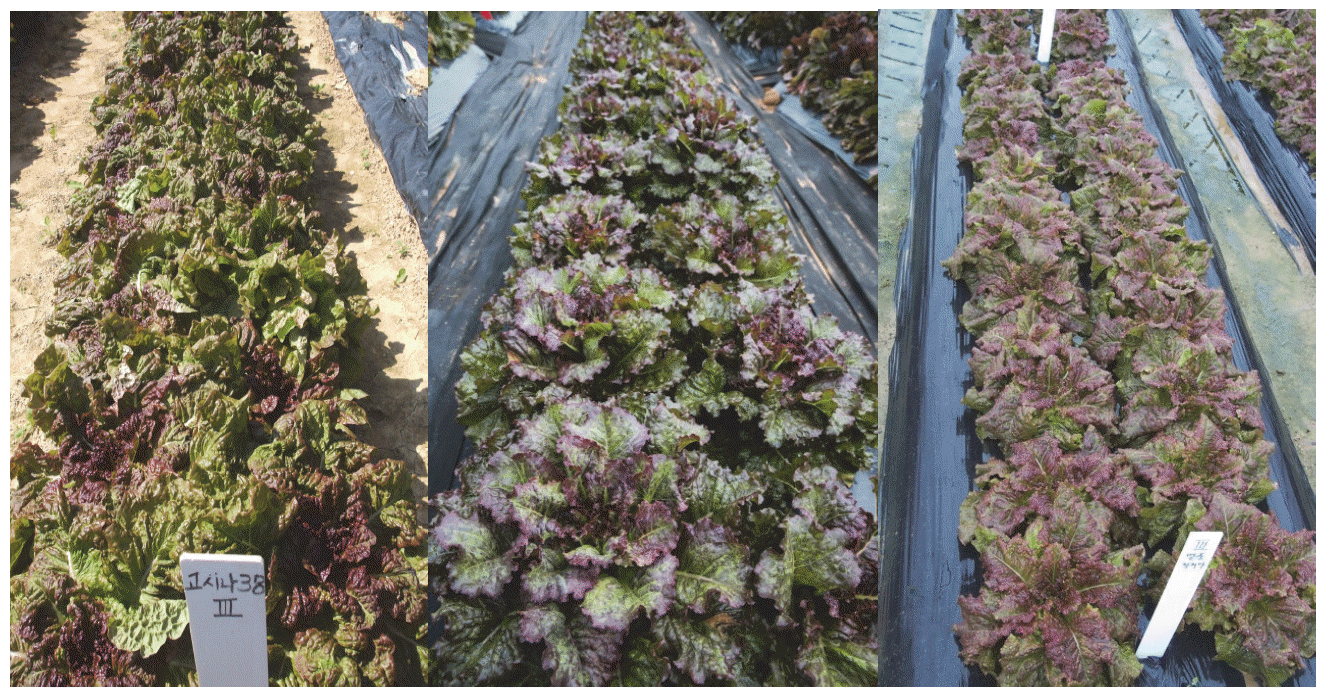
Table 1.Morphological characteristics of ‘Hyesun’ (’10-’12, NIHHS).
Table 1.
|
Cultivar |
Seed color |
Type |
Leaf shape |
Leaf color |
Bolting |
|
|
Hyesun |
Gray |
Chima lettuce |
Oval |
Light Red |
Late bolting |
|
Yeolpungjeokchima |
Gray |
Chima lettuce |
Oval |
Red |
Early bolting |
Table 2.Variable characteristics and yield of ‘Hyesun’ (’12, NIHHS).
Table 2.
|
Cultivar |
Rate of sprouting (%) |
Leaf length (cm) |
Leaf width (cm) |
No. of leaves |
leaf wt. (g) |
Yield (g/plant) |
|
|
Hyesun |
97.0 |
17.1±0.58 z
|
12.2±0.81 |
71.5±10.7 |
5.3 |
381.4±68.4 |
|
Yeolpungjeokchima |
98.0 |
17.0±0.82 |
12.3±0.77 |
70.7±10.1 |
4.9 |
346.4±68.4 |
품질 특성 및 내병성
‘혜선’의 잎의 경도는 대비품종인 ‘열풍적치마’보다 1,237kg/cm
2와 차이가 없고, 엽면이 부드러워 쌈을 싸거나 샐러 드로 먹었을 때 연한 특성을 가지고 있다. 쓴맛을 나타내는 BSL (latucin+8-deoxylactucin+lactucopicrin) 함량은 5.0(ug/g DW)로 대비품종 보다 적어 젊은 층과 상추의 쓴맛을 싫어하는 소비자들에게도 호감을 줄 수 있을 것으로 판단되었다. 고온기 적색발현 정도를 추정할 수 있는 안토시아닌 함량은 88.32 mg/100g으로 ‘열풍적치마’의 74.78 mg/100g 보다 많았으나 외형적으로는 큰 차이가 없는 것으로 나타났다. 수확 후 4°C에 4주간 저장한 후 부패율을 살펴본 결과 대비품종보다 저장성에 서 우수한 것으로 나타났다. 노지 포장에서의 균핵병 발병률은 2%로 세균병 등에 강한 특성을 가지고 있어, 재배 관리시 이러한 점에 유의해야 할 것으로 판단되었다(Table
3).
Table 3.Quality characteristics and disease resistance of ‘Hyesun’ (’12, NIHHS).
Table 3.
|
Cultivar |
Bolting (Days) |
Firmness of leaf (kg/cm2)z
|
Anthocyanin content (mg/100g) |
BSL content(ug/g, DW)x
|
Sugar content (Brix) |
Rate of decayw (%) |
Stem rot in field |
|
|
Hyesun |
Late (117) |
1237.0±179.3y
|
88.32±6.4 |
5.0 |
3.4 |
10 |
Tolerant |
|
Yeolpungjeokchima |
Early (106) |
1236.8±56.9 |
74.78±9.6 |
12.0 |
2.5 |
20 |
Tolerant |
작기별 수량성
‘혜선’의 수량성은 전국지역적응시험을 통하여 봄, 여름, 가을 에 경기 ‘수원’, 강원 ‘평창’, 충북 ‘청주’, 전북 ‘익산’, 경남 ‘진주’ 그리고 제주 ‘상귀’ 등 6개 지역에서 3년간 검토한 결과 봄 작형에서는 대비품종인 ‘열풍적치마’에 비해 29 ton/ha로 7% 증수되었고, 여름 작형은 큰 차이가 없었으나, 가을 작형에서 는 21.2 ton/ha로 10% 많은 경향을 보여 봄, 가을에 수량이 많은 품종으로 판단되었다(Table
4).
Table 4.Yield of ‘Hyesun’ for 3 seasons and 6 places in 3 years (’10-’12, NIHHS).
Table 4.
|
Cultivar |
Spring(ton/ha)z
|
Summer(ton/ha)y
|
Fall(ton/ha)x
|
Average(ton/ha) |
|
|
Hyesun |
37.6(106)w
|
18.5(99) |
21.2(110) |
29.0(107) |
|
Yeolpungjeokchima |
35.4(100) |
18.7(100) |
19.2(100) |
27.1(100) |
|
LSD (5%) |
11 |
NS |
10 |
|
재배상 유의점
‘혜선’의 경우, 봄과 가을 작형에서 평균적으로 안정적인 재배 가 가능하나, 늦봄과 초여름의 고온기 재배에서는 적색발현이 잘 안되어 고온기 재배시에는 추천되지 않는 품종이다(Fig.
2). 그러나 추대는 적치마 상추 품종에서는 가장 늦은 것으로 판단된 다. 고온기 파종시에는 침종하여 최아 시킨 후, 파종함으로써 발아가 균일하도록 한다. 엽색의 안토시아닌 발현은 기온, 수분 및 광조건 등에 따라 차이가 많으므로 특히 수분관리에 유의하고, 통풍 및 간헐적 차광을 통해 생육 적온인 15~20°C 가깝게 재배관리 하며, 초기 생장을 촉진시키고, 후기 생육시 비효가 적으면 수량이 떨어지므로 이점에 유의하여 적정 비배 관리해야 한다(
RDA, 2006).
기존의 품종과 비교하여 봄, 가을 작형에서 수량이 높았으며, 추대가 늦음으로, 봄, 가을 재배농가의 소득향상에 도움이 될 것으로 판단한다.
적 요
‘혜선’은 적색이 진한 ‘농적치마’를 모본으로 하고 수량이 많은 ‘적치마’를 교배하여 육성한 만추대 다수성 적치마 잎상추 이다. 2000년 교배하여 2008년까지 계통육종법에 선발과 고정 을 하였다. 신품종 ‘혜선’은 회색 종자이며 엽형은 타원형이다. 잎 상단부는 붉고 광택이 좋으며 잎 기부는 녹색이며, 숙기는 정식 후 25일 후부터 수확이 가능한 조·중생종 품종이다. 전국 6개 지역(대관령, 경기, 충북, 전북, 경남, 제주)에서 3년간 봄, 여름, 가을 재배하였을 때 평균 2,900kg/10a을 나타내었다. 다수 성 및 추대가 늦은 품종으로 주당 71매 정도의 잎을 수확할 수 있으며, 주당 무게는 평균 381g로 10% 수량성이 증가된 품종이다. ‘혜선’의 엽육 경도는 1,237kg/cm2로 열풍적치마보다 두껍지 않으며, 안토시아닌 함량은 88.32mg/100g로 열풍적치 마보다 많은 편이다. 쓴맛 성분인 락투신(latucin+8-deoxylactuc in+lactucopicrin)은 ‘열풍적치마’보다 함량은 5.0ug/g 로 쓴맛 이 적고 단맛이 나며 부드러운 특성이 있다. 주당 상품수량은 381g으로 7% 증수되었으며, 고온기에 ‘혜선’은 추대가 상당히 늦은 편이다. 4°C 저장 후 부패정도를 보았을 때 ‘혜선’이 더 저장성이 좋았다. 이를 종합하여 따라서 신품종 ‘혜선’은 봄과 가을 작형에 가장 적합한 품종으로 추천할 수 있다.
사 사
본 논문은 농촌진흥청 국립원예특작과학원 기본과제(PJ0084 922016)와 채소신품종공동연구개발사업(PJ0064272016)의 연 구비지원에 의해 수행된 결과의 일부이며 연구비지원에 감사 드립니다.
References
- 1. Fuleki T, Francis FJ. Quantitative methods for anthocyanins. J. of Food Sci 1968. 33: 72-77.
- 2. Jang SW, Lee EH, and Kim WB. Analysis of research and development papers of lettuce in Korea. Kor. J. Hort. Sci. Technol 2007a. 25(3):295-303.
- 3. Jang SW, Kwon YS, Kim JS, Ryu SY, Lee JN, Lee EH, Seo MH, Park JH, Jang MH, Hwang HJ, Ko SB. A new red leaf lettuce cultivar ‘Jangsu’. Kor. J. Breed. Sci 2007b. 39(3):383-384.
- 4. Ministry for Agriculture, Food and Rural Affairs (MAFRA)The statistics of vegetable production 2015.
- 5. Rural Development Administration (RDA)Manual of investigation germplasm (Lettuce) 2004.
- 6. Rural Development Administration (RDA)The technique of lettuce cultivation (Text of standard agriculture) 2006.
Citations
Citations to this article as recorded by